
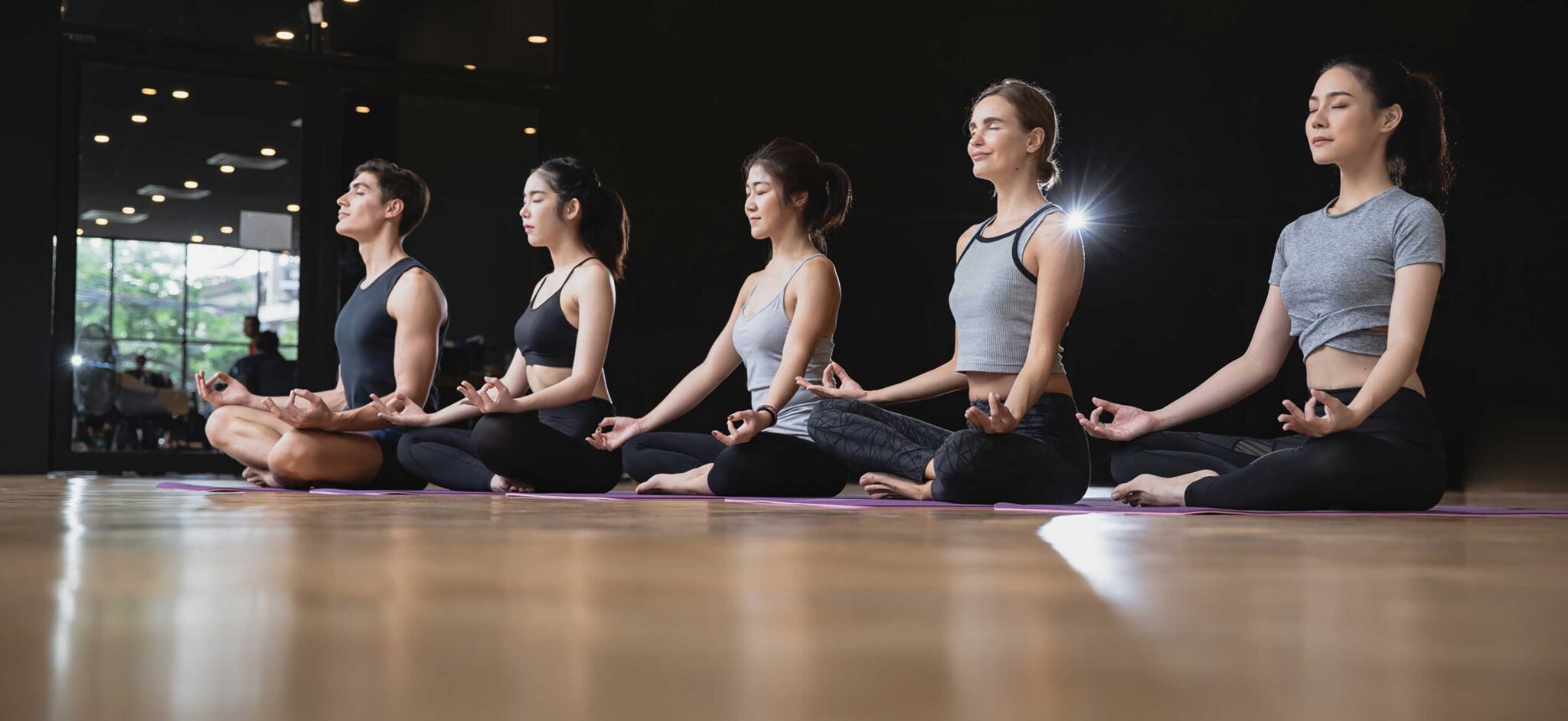
What makes a student walk into a yoga studio and instantly exhale? More often than not, it’s the lighting.
Yoga studio lighting does something that fixtures in a gym or office can’t – it signals to the nervous system that it’s time to slow down, focus inward, and move with intention. The wrong lights break that spell immediately; the right ones hold it for the entire class.
In this guide, you’ll find practical yoga studio lighting ideas covering fixture types, colour temperature, smart dimming systems, and the technical specifications that matter most for commercial studio builds whether you’re designing from scratch or upgrading an existing space.
Enhance your studio’s ambiance and management effortlessly with Mariana Tek’s Yoga business Software, designed to simplify your operations and elevate the student experience.
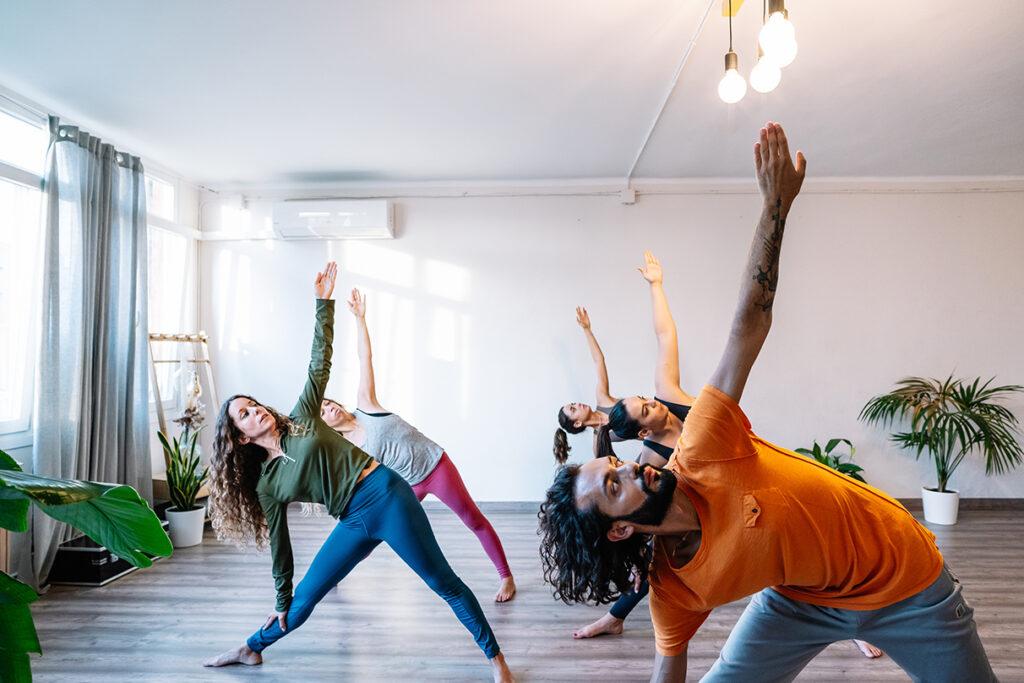
Lighting by Yoga Class Style
| Class style | Color temperature | Target brightness | Best fixture setup |
|---|---|---|---|
| Morning Vinyasa / Power Flow | 4000K – 5000K cool white | 40 – 50 fc 430 – 540 lux | High-CRI track lighting; north-facing windows for natural morning light |
| Evening Restorative / Yin | 2700K – 3000K warm amber | 10 – 20 fc 108 – 215 lux | Recessed LED cove strips; peripheral Himalayan salt lamps |
| Meditation and Savasana | 2200K – 2400K candlelight glow | < 5 fc < 54 lux | Baseboard low-profile LED borders; flicker-free LED candles |
| Hot Yoga / Bikram | 3500K – 4500K neutral white | 30 – 50 fc 323 – 540 lux | IP65 moisture-rated recessed LED; no exposed bulbs or residential fixtures |
All brightness targets per IES recommendations for active exercise spaces. Dimmable systems allow adjustment between class formats.
If you’re at the earlier stage of planning your space, our complete guide to opening a yoga studio covers every step from market research to launch day.
Setting the Foundation – Types of Lighting
A successful yoga studio lighting design usually blends different fixtures to provide the perfect balance of general illumination, accentuation, and mood-setting ambiance. For a full checklist of what your studio needs on day one, see our yoga studio equipment guide.
Let’s explore the main options:
- Overhead Lighting: This serves as the primary light source. Recessed lighting offers a clean look, while track lighting provides flexibility. consider statement chandeliers or pendants for studios with high ceilings.
- Accent Lighting: Think of this as the magic wand of your interior design. Wall sconces can draw attention to artwork or architectural features, while LED strips, with their ability to transform a space with a single touch, add a modern touch. Spotlights are ideal for illuminating focal points like a yoga instructor’s platform.
- Ambient Lighting: This is where warmth and coziness come in. Floor lamps, table lamps, and even candles create a soft, inviting glow perfect for relaxation and restorative practices.
1: The Power of Dimmers
Dimmers are your secret weapon in creating adaptable yoga studio lighting. They grant you precise control over light intensity, allowing you to tailor the mood to suit the needs of each class:
- Adapting to Style: A bright, well-lit space energizes students during a dynamic vinyasa flow. Dimmed lights cultivate a more tranquil setting for restorative yoga or meditation sessions.
- Smart Solutions: Integrate smart dimmers and lighting systems for easy control and automation. Schedule lighting changes to coincide with class times or set specific moods with pre-programmed scenes.
- Beyond Functionality: Dimmers contribute to your studio’s overall aesthetic. Choose elegant dimmer switches that complement your decor.

2. Embracing Natural Light
Natural light holds a special power in yoga spaces. It’s a free source of mood-boosting illumination that promotes a sense of connection to the outdoors and can help regulate circadian rhythms. Let’s explore how to maximize its presence in your studio:
- Strategic Placement: If designing a new studio, consider the position of windows to optimize natural daylight during key class hours. East-facing windows capture beautiful morning light, while north-facing provide even more illumination throughout the day.
- Controlling the Flow: Sheer curtains or adjustable blinds help diffuse harsh sunlight while allowing soft light to filter in.
- Artificial Balance: Natural light levels change with the seasons and weather. Ensure your studio is equipped with adequate artificial lighting to maintain a well-lit environment.
3. The Magic of Color Temperature
Color temperature, measured in Kelvins (K), describes the warmth or coolness of light. Think of it as the invisible mood-setter in your studio. Understanding color temperature empowers you to curate the perfect atmosphere for every type of practice:
- Warm White (2700K-3000K): This soft, yellow-toned light mimics the cozy glow of candlelight or a gentle sunset. It fosters a sense of tranquility and invites students to slow down, making it ideal for restorative yoga, meditation, and evening classes.
- Cool White (4000K-5000K): This light has a bluish hue, similar to natural daylight. It has an invigorating and energizing effect, perfect for dynamic flows, morning classes, or spaces where natural light is limited.
- Beyond the Basics: Consider incorporating light fixtures with tunable color temperatures. This gives you incredible flexibility to shift the studio’s atmosphere throughout the day or based on the class style. You can even experiment with colored lights for specialty classes or themed events, adding a touch of whimsy and fun.
4. Getting Creative
Lighting offers a fantastic avenue to express the unique personality of your yoga studio. Don’t be afraid to think beyond the standard options and embrace a touch of creative flair:
- Unique Fixtures: Explore fixtures that add visual interest and a sense of style. Himalayan salt lamps cast a warm, calming glow, while fairy lights strung across the ceiling create a touch of magic.
- Targeted Illumination: Use focused lighting to highlight architectural elements and artwork or create a softly lit reading nook. Place small spotlights under plants for a dramatic effect.
- Layering is Key: Combine different lighting sources at varying heights to create depth and dimension. For instance, pair statement overhead lighting with a collection of floor lamps or strategically placed accent lights.
5. Designing for the upward gaze and mirror glare
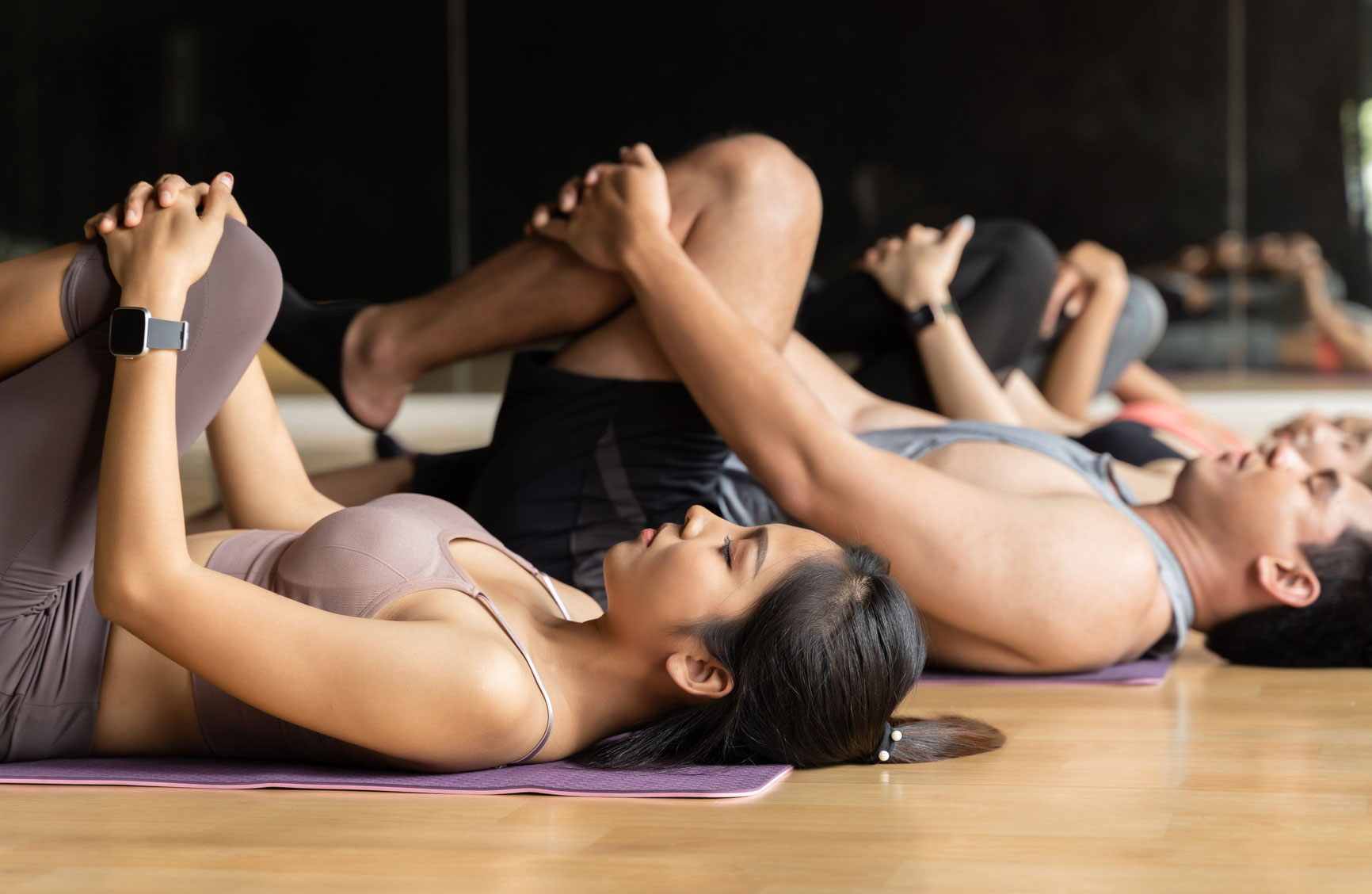
When students move through supine poses – lying on their backs during floor work or Savasana – they’re looking directly at your ceiling. A bare downlight or exposed bulb in that sight line immediately breaks concentration and causes eye strain. Opt for recessed LED fixtures with deep baffles or diffusers, or use indirect ceiling cove lighting that bounces soft, even illumination off the drywall rather than projecting downward.
Studios that rely on large mirrors for form correction face a second challenge: track lighting and wall sconces can reflect off the mirror surface straight into a student’s eyes during standing balance poses. Before finalising fixture placement, check each beam angle from multiple points in the room to confirm no direct reflections reach eye level.
Yoga Studio Lighting Cost Factors
| Cost factor | Typical cost range | Priority | Notes for studio owners |
|---|---|---|---|
| Basic LED fixture retrofit Small studio, <1,000 sq ft | $2,000 – $6,000 | Minimum | Covers dimmable recessed LED, basic single-zone dimmer switch, and standard CRI 80 fixtures. Suitable for a home or small boutique studio. |
| Smart multi-scene dimming system Lutron Caseta or Leviton Decora | $1,500 – $5,000 | High ROI | Enables one-tap preset scenes per class format. Covers hardware, programming, and electrician installation. Shared across the whole studio install. |
| Ceiling cove lighting build-out LED strip + carpentry + drywall | $1,500 – $4,000 | High impact | Adds carpentry and finishing work on top of LED strip cost. Delivers the indirect, upward-gaze-safe ambient lighting that competitors benchmark against. |
| CRI 90+ commercial LED fixtures Per fixture premium over CRI 80 | 10 – 25% premium | Recommended | CRI 90+ makes bamboo, wood, and skin tones look warm and true-to-life. The per-unit premium is small; the visual difference throughout the session is significant. |
| IP65 moisture-rated fixtures Hot yoga / Bikram studios only | 20 – 30% premium on fixtures | Required for hot yoga | Standard residential fixtures degrade under high humidity. IP65 rating is non-negotiable for safety and longevity in heated rooms. |
| Emergency and egress lighting NEC-compliant commercial requirement | $500 – $2,000 | Code required | Covers battery-backup emergency fixtures, illuminated exit signs, and GFCI protection near wet areas. Not optional in commercial studio builds. |
| Accent and ambiance elements Salt lamps, LED candles, neon signs | $300 – $2,000 | Optional | Himalayan salt lamps ($30–$80 each), flicker-free LED candles, and custom neon mantra signs. High aesthetic impact at relatively low cost. |
| Full commercial build-out total Mid-size commercial studio, 1,000–2,500 sq ft | $8,000 – $25,000+ | Full spec | Includes smart controls, cove build-out, CRI 90+ fixtures, IP65 where needed, emergency egress, and accent lighting. Scale up proportionally for larger footprints. |
Note- Costs are US market estimates as of 2025. Electrician labour rates vary significantly by metro area. Always get 2–3 contractor quotes before budgeting. For studios where upfront build-out costs are a constraint, Mariana Tek’s financing partner Xplor Capital offers flexible funding designed specifically for boutique fitness studios.
Your yoga studio business plan should account for fixtures, smart controls, and electrical contractor fees from day one.
FAQs about Yoga Studio Lighting
The best yoga studio lighting combines layered sources: indirect LED cove lighting as the ambient base, dimmable recessed fixtures for adjustable overhead light, and warm accent lamps (such as Himalayan salt lamps or LED candles) for mood. The key is a dimming system that lets instructors shift from 40–50 foot-candles for an energising Vinyasa class all the way down to under 5 foot-candles for Savasana or meditation.
Active yoga zones generally target 20 to 50 foot-candles (215 to 538 lux), in line with Illuminating Engineering Society recommendations for exercise spaces. A robust dimming setup allows instructors to drop well below that range under 5 fc for restorative or candlelight classes. Studios without dimmers are locked into one light level and cannot serve multiple class formats well.
Color temperature depends on the class style. Morning flow and power classes benefit from cooler whites in the 4000K–5000K range to promote alertness. Evening restorative and Yin classes call for warm amber tones between 2700K and 3000K to ease the nervous system. For deep meditation and Savasana, a soft candlelight glow around 2200K–2400K creates the most grounding atmosphere.
Yes. In a heated studio, ambient humidity rises significantly and standard residential fixtures degrade quickly. Contractors should specify IP65 moisture-rated fixtures and use damp-location wiring methods throughout. The investment pays off in fixture longevity and eliminates safety risks from moisture in electrical enclosures.
Lighting costs vary widely by studio size and specification. A basic residential-style retrofit with dimmable LED fixtures can run $2,000–$6,000 for a small studio. A commercial build-out with smart dimming systems (such as Lutron), IP65-rated fixtures for hot yoga, cove lighting, and emergency egress lighting typically runs $8,000–$20,000+. See the cost factors section of this guide for a full breakdown.
Absolutely- smart lighting is one of the best investments a studio can make. Systems such as Lutron Caseta or Leviton Decora Smart support multi-scene presets that instructors trigger from a wall panel or phone. One tap transition from a bright morning flow setup to a deeply dimmed Savasana without fumbling with manual dimmers mid-class.
Once your studio space and lighting are dialled in, the next step is a management platform that handles class scheduling, client check-in, membership billing, and marketing from one place. Mariana Tek is purpose-built for boutique yoga studios- it comes with a custom-branded app, automated waitlist management, and real-time revenue analytics. Learn more about Mariana Tek’s yoga studio software →
Technical specs for studio owners and contractors
Illumination levels: For an active yoga studio, aim for 20 to 50 foot-candles (215 to 538 lux) in exercise zones. A robust dimming system lets you drop well below that floor for Savasana or candlelight meditation.
Color Rendering Index (CRI): Choose LED fixtures rated CRI 90 or above. High-CRI light makes natural wood tones, bamboo flooring, and warm skin tones look rich and true – lower-CRI fixtures make the same materials look flat or clinical.
Hot yoga and moisture: Heated studios see significant humidity. Standard residential fixtures degrade quickly in these conditions. Specify IP65 moisture-rated fixtures and damp-location wiring methods to ensure longevity and safety.
Commercial code requirements: Commercial studio builds must include dedicated emergency backup lighting, illuminated exit signs, and GFCI protection near any wet areas (showers, bathrooms). Your electrical contractor should verify compliance with NEC Article 410 and local amendments before inspection.
Illuminate Your Yoga Space: Final Thoughts
Great yoga studio lighting is not a single fixture decision- it is a layered system that shapes how every student feels the moment they step into the room. From indirect cove lighting that protects practitioners in supine poses, to smart multi-scene controls that shift the atmosphere between a high-energy Vinyasa and a deeply grounding Savasana, every element works together to support the practice.
If you are building or renovating a commercial studio, pair your aesthetic choices with the technical groundwork: target 20–50 foot-candles for active zones, specify CRI 90+ LEDs for warm, true-to-life colour rendering, and ensure your contractor uses IP65-rated fixtures in any heated or humid space. Meeting NEC requirements for emergency lighting and GFCI protection is not optional- it is what separates a professional studio from a residential setup. These yoga studio grand opening ideas will help you fill your first classes.
The physical environment sets the stage, but a thriving yoga studio runs on more than lighting. Scheduling, client retention, memberships, and marketing all need to work seamlessly behind the scenes so your instructors can focus on the practice. That is where purpose-built studio management software makes the difference.
Ready to open or grow your yoga studio?
You’ve invested in the right fixtures, the right Kelvin range, and the right dimming system. Now picture your studio’s first morning class: the lights shift seamlessly from a bright 4500K Vinyasa setup to a warm 2800K cool-down, and your instructor does it with one tap. That same effortless experience should extend to everything else your students and your team interact with- booking a class, joining a waitlist, checking in, and renewing a membership.
Mariana Tek is an all-in-one yoga studio management platform built specifically for boutique studios. It handles the operational layer that lets your physical environment shine:
- Class scheduling and waitlist management– Students book in seconds from a custom-branded app on iOS or Android; instructors get instant roster and check-in views.
- Membership and payment processing - Stripe-powered PCI Level 1 payments support Apple Pay, Google Pay, and class-pack or membership billing.
- Marketing and CRM - Automated campaigns re-engage lapsed students, promote new class formats, and nurture trial visitors into regulars.
- Business analytics– Real-time dashboards surface revenue at risk, first-visit conversion rates, and net membership growth so you act on data, not instinct.
- Private sessions and appointments– Fill off-peak hours with one-to-one bookings; the platform handles repeat scheduling and payment capture automatically.
If you are in the earlier stages of opening your studio, Mariana Tek has a dedicated resource for new founders. The opening a new studio programme brings together experienced operators who share what they learned launching their first location from technology decisions to staffing and pricing- so you avoid the most common mistakes before your first class even runs.
Ready to see it in action?
Over 90% of yoga students at Mariana Tek studios book their own classes through the app which means your front desk spends less time on admin and more time on the experience you’ve worked hard to design.
Explore More Resources

by Julie Sippy Senior Marketing Manager
-
First published: April 29 2024
Written by: Julie Sippy