
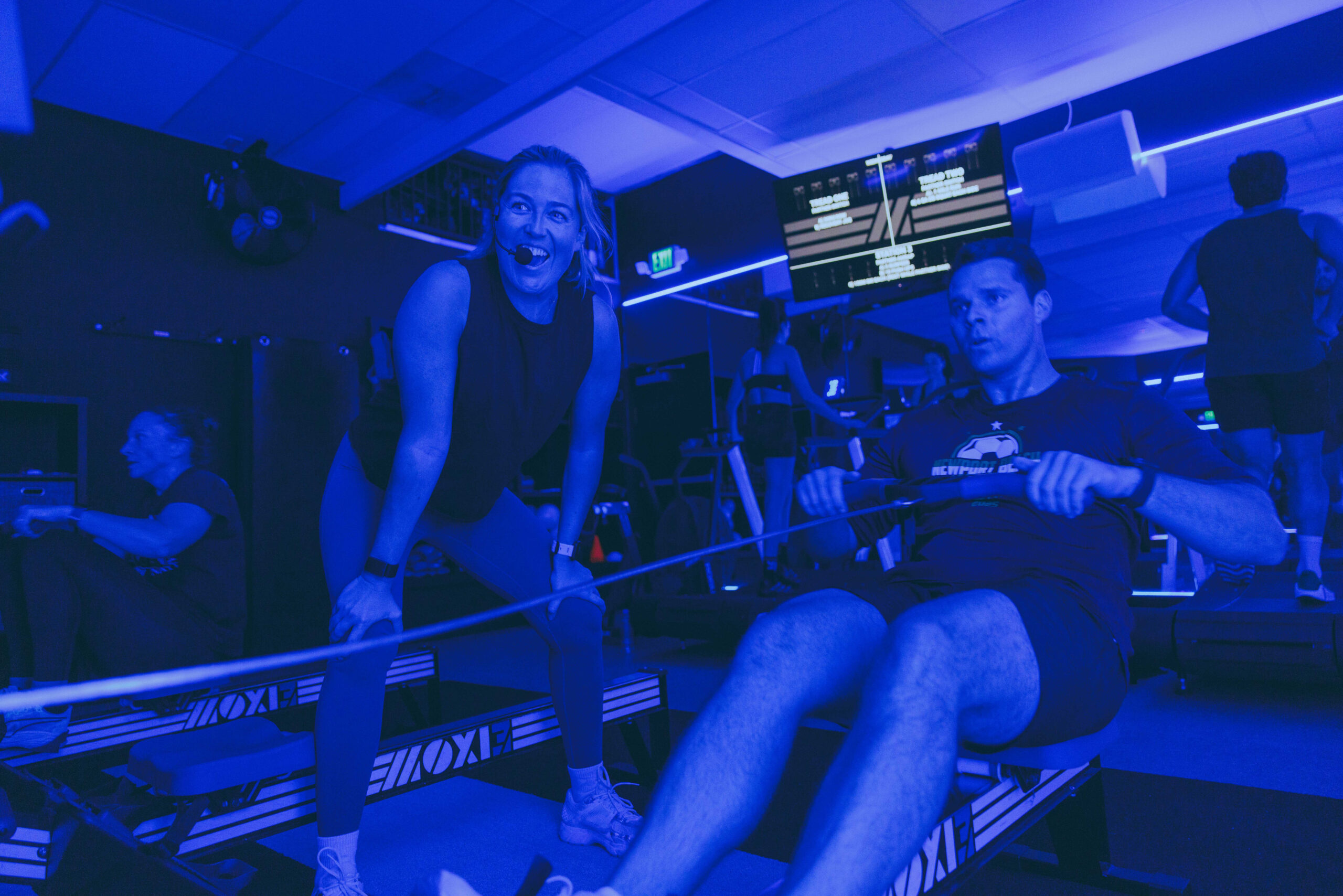
The Southeast boutique fitness market is entering a new era.
Studios across cities like Miami, Tampa, Nashville, Atlanta, Charlotte, and Raleigh-Durham are proving that growth is not just about adding more classes or opening more locations. The studios seeing the strongest performance are capturing premium pricing, expanding their offerings, and using data to better understand member behavior.
To understand what is driving success in the region, Mariana Tek analyzed performance data from boutique fitness studios across 10 major Southeast markets, benchmarking them against studios across the United States.
The results reveal a clear trend: Southeast studios are outperforming national benchmarks across revenue, pricing, and studio innovation.
Here are the biggest lessons boutique fitness operators can take from the region.
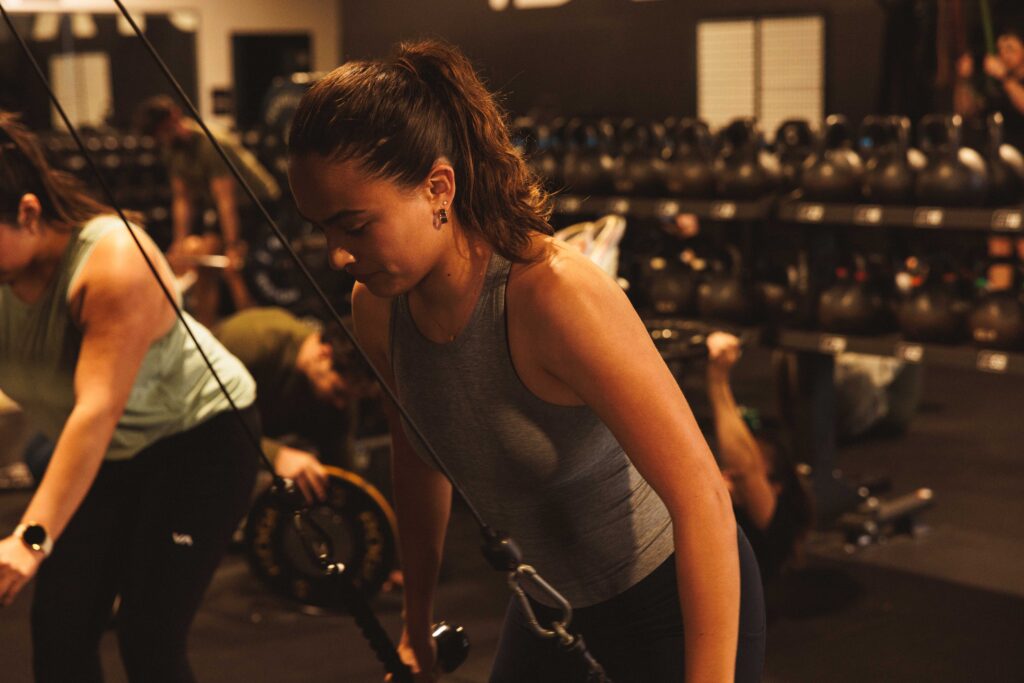
Southeast Studios Are Building Premium Fitness Experiences
The Southeast boutique fitness market has become a premium category.
Across the region:
- Studios generate an average of $35.7K in monthly revenue, outperforming the U.S. average by 8.5%
- Average class cost is $24 per visit, nearly 7% higher than the national average
- Average unlimited membership pricing is $204.80, about 4% above the U.S. benchmark.
Higher-performing markets like Tampa demonstrate the opportunity for studios to capture premium pricing and revenue through strong market positioning.
Premium pricing is often supported by creating an experience members value enough to return to consistently.
The takeaway: Southeast studios are showing that pricing power comes from strong branding, community, and a seamless member journey—not just the workout itself.
Multi-Modality Studios Are Becoming the Southeast Standard
One of the biggest differences between Southeast studios and the broader U.S. market is the rise of multi-modality fitness.
Nearly 60% of Southeast studios offer multiple modalities, compared to just 34% nationally.
This means more studios are moving beyond a single workout format and creating broader fitness ecosystems.
Pilates remains the dominant modality in the region, with 43% of studios offering Pilates, Lagree, or Megaformer classes, followed by:
- HIIT: 26%
- Yoga: 20%
- Barre: 14%
A broader range of offerings can help studios serve different member preferences and create more opportunities for engagement.
Operators can use multiple offerings to create more opportunities for members to engage with their brand.
The takeaway: The future of boutique fitness may not belong to studios that offer one perfect workout—it may belong to brands that create a complete wellness ecosystem.
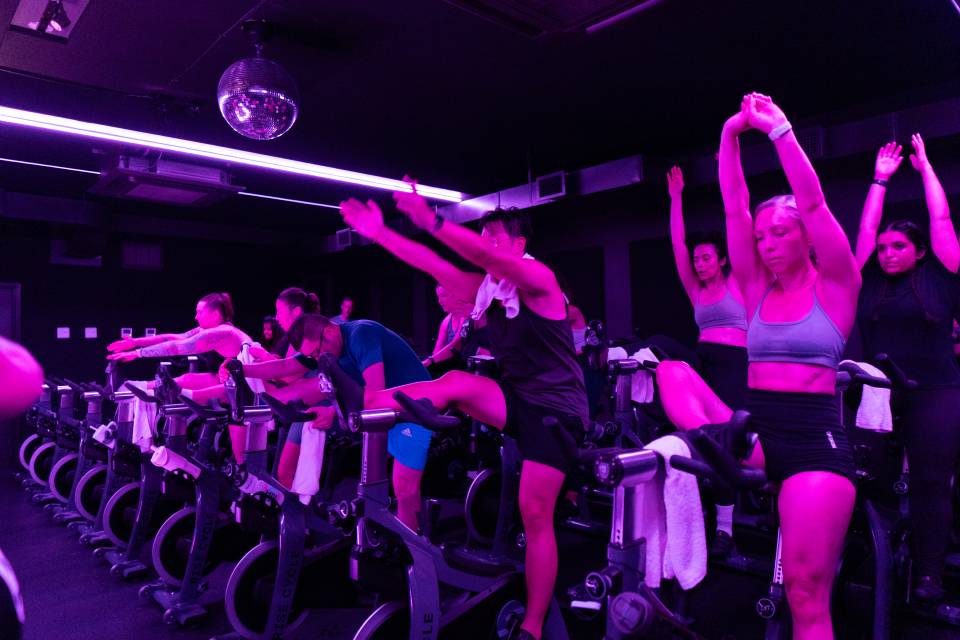
Successful Studios Convert New Visitors Into Members Faster
Membership conversion is one of the strongest indicators of long-term studio health.
In the Southeast region, customers convert to memberships after an average of 4.9 visits, compared to 5.4 visits nationally.
That means Southeast visitors are converting to memberships earlier in their boutique fitness journey than the national average.
Studios looking to improve conversion can focus on meaningful touchpoints throughout the customer journey:
- A personalized first experience
- Clear pathways from intro offers to memberships
- Community-building moments outside of class
- Consistent communication after every visit
Studios that prioritize relationships—not just transactions—can create stronger member engagement.
For example, Charlotte-based SkyCycle has grown by focusing on community and creating experiences that make members feel connected beyond the workout itself.
The takeaway: The first few visits are critical. Studios that intentionally guide customers from trial to membership create stronger lifetime value. Read more about how to create a strong intro offer that converts.
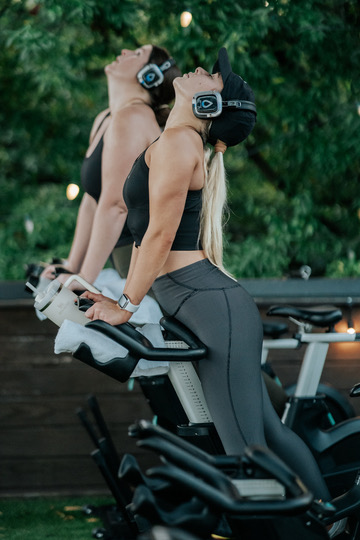
The Biggest Revenue Opportunity May Be Outside Peak Class Hours
Attendance data across Southeast studios reveals a familiar challenge: demand is highly concentrated around certain times of day.
The strongest-performing windows include:
Morning
- 6 AM leads in visits per class
- 7–9 AM generate some of the highest overall attendance
Evening
- 5–7 PM represents the strongest post-work demand
The biggest opportunity? Midday.
The 1–4 PM window consistently sees lower attendance, creating an opportunity for studios to rethink how they use available capacity.
Studios can explore additional revenue opportunities, including:
- Private training
- Appointments
- Small-group sessions
- Workshops
- Specialty programming
By creating more ways for members to engage outside traditional classes, studios can create additional revenue opportunities using existing capacity.
The takeaway: Growth does not always require more classes—it often requires making better use of the capacity studios already have. Need ideas and actionable insights to accelerate growth in your studio? Check out our exclusive Growth Guide for strategies you can implement today.
Southeast Boutique Fitness Studios Are Winning Through Data-Driven Decisions
The strongest studios in the Southeast share a common approach: they use data to understand their members, optimize operations, and make smarter growth decisions.
The market signals are clear:
- Consumers are willing to pay premium prices for exceptional experiences
- Multi-modality offerings create more opportunities for engagement
- Faster membership conversion creates opportunities to grow recurring revenue sooner
- Additional offerings can help studios create more ways for members to engage and generate new revenue opportunities
The next generation of boutique fitness growth will belong to studios that combine community, innovation, and operational intelligence.
By understanding regional benchmarks and learning from successful operators, studios can make more confident decisions about pricing, programming, and expansion.
Want to see how your studio compares? Read Mariana Tek’s Southeast Boutique Fitness Regional Report for the full benchmark analysis across pricing, revenue, attendance, memberships, and modality trends.

by Julie Sippy Senior Marketing Manager
-
First published: July 22 2026
Written by: Julie Sippy