

Pilates is growing fast, and the data shows where studios can win
Pilates classes in North America fill at 65% on average, compared with 49% across all boutique fitness. Clients pay more for them, and nearly half are Gen Z. That’s what we found when we analyzed Mariana Tek user data from studios across North America.
If you run a Pilates studio, or you’re thinking about opening one, here’s what the numbers mean and what you can do with them.
How common is Pilates in boutique fitness?
42% of Mariana Tek studios offered Pilates in 2025. That includes traditional Pilates and Pilates-inspired formats like Reformer and Lagree. Want just Lagree data? Read our Lagree Industry Trends Report.
Greg Galloway, owner and founder of Peak45, told us that demand for Pilates and Lagree “continues to accelerate” and that his studios are ramping faster than in prior years. Sydney Dumler, founder of Forza Pilates, sees the same appetite for in-person, community-driven experiences as Forza opens new locations.
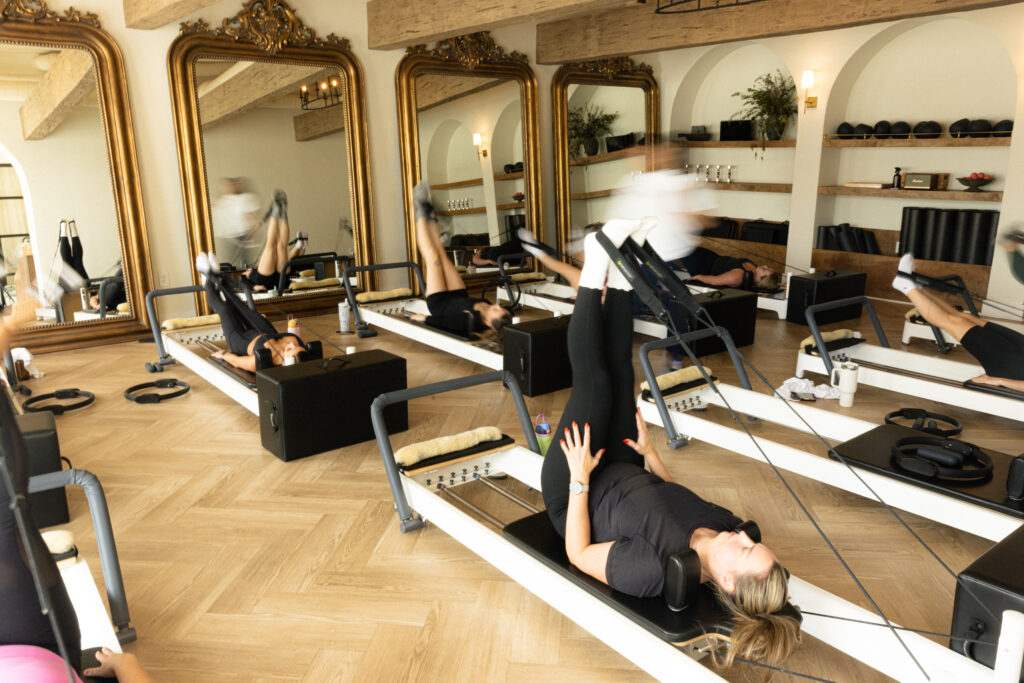
What are the key Pilates studio benchmarks?
Here are the headline numbers from our December 2025 analysis:
| Metric | Pilates | Comparison |
|---|---|---|
| Average class fill rate | 65% | 49% overall average |
| Average class price | $25 | 29% higher than average |
| Membership cost | 48% higher | vs. other modalities |
| Average client age | 32 | 35 across all modalities |
| New visitors each month | 17% | 9% in other modalities |
What this means for you: Pilates studios are filling more of their schedule at higher prices. That’s a strong base. The next question is how many of those first-timers come back. Studios that use Mariana Tek utilize a variety of member engagement features to keep clients returning.
How much do Pilates classes and memberships cost?
The average Pilates class costs $25, which is 29% more than the average boutique fitness class. Our data also shows Pilates classes cost 25% more than non-Pilates classes. Memberships run 48% higher than other modalities.
Clients are paying a premium and filling classes at that price. Strength-forward, results-driven classes are what’s drawing them in. Galloway pointed to workouts built around muscular endurance, control, and full-body efficiency, without “the burnout or injury risk of higher-impact training.”
Why is Gen Z driving the Pilates boom?
Gen Z makes up 43% of all Pilates clients in our data, and the average Pilates client is 32 years old, three years younger than the average across modalities.
Pilates is also bringing in more new people. 17% of monthly Pilates studio visitors are new, compared with 9% in other modalities.
Stephanie Bain, co-creator and Chief Sparkle Officer at BodyAlive, says hot mat Pilates is the most attended class among their Gen Z students. She points to social media attention and a beginner-friendly practice that delivers results when clients stay consistent.
What this means for you: Younger clients find you on social, expect a smooth first booking, and want variety. Reformer, hot mat, and Lagree all have an audience. Dumler notes that in markets like Nashville, clients want “variety, full-body strength, and improved mobility without extremes.”
Why does the third Pilates visit matter?
The return rate after a first Pilates visit is 43%, slightly below the 48% average across all studios. But clients who make it past their first two visits retain very strongly.
That gives you a clear focus. Pilates draws plenty of first-timers. The gap is getting them back for a second class and then a third.
Here are a few ways studios can close it:
- Follow up fast. Send a personal welcome message within 24 hours of a first visit.
- Make the next booking easy. Offer a second-class incentive at checkout, or prompt a rebooking right after class.
- Mark the milestone. Celebrate visits two and three so new clients feel part of the community.
- Watch the numbers. Track first-to-second visit conversion by class type and instructor, so you know where to coach.
The right software makes each step automatic. One platform that handles booking, payments, marketing, and reporting means your team spends less time on admin and more time with clients.
How can Pilates studios turn these trends into growth?
Our approach comes from people who’ve worked in this industry. Our team includes former studio operators, so we know a full schedule is only the start. The goal is a studio that runs smoothly and clients who keep coming back.
Here’s where we can help:
- Run your studio your way. Whether you offer reformer, mat, private instruction, or a mix, one flexible platform manages your schedule, memberships, instructors, and client experience.
- Cut manual work. Automate bookings, waitlists, payments, and reporting.
- Switch without disruption. 70% of our clients migrated from another platform, and our onboarding team guides the move.
- Open with support. If you’re launching a new Pilates studio, we’ll help from lease signing to your one-year anniversary.
Ready to see what’s possible? Book a demo or explore our Pilates studio software.

by Julie Sippy Senior Marketing Manager
-
First published: October 08 2026
Written by: Julie Sippy