
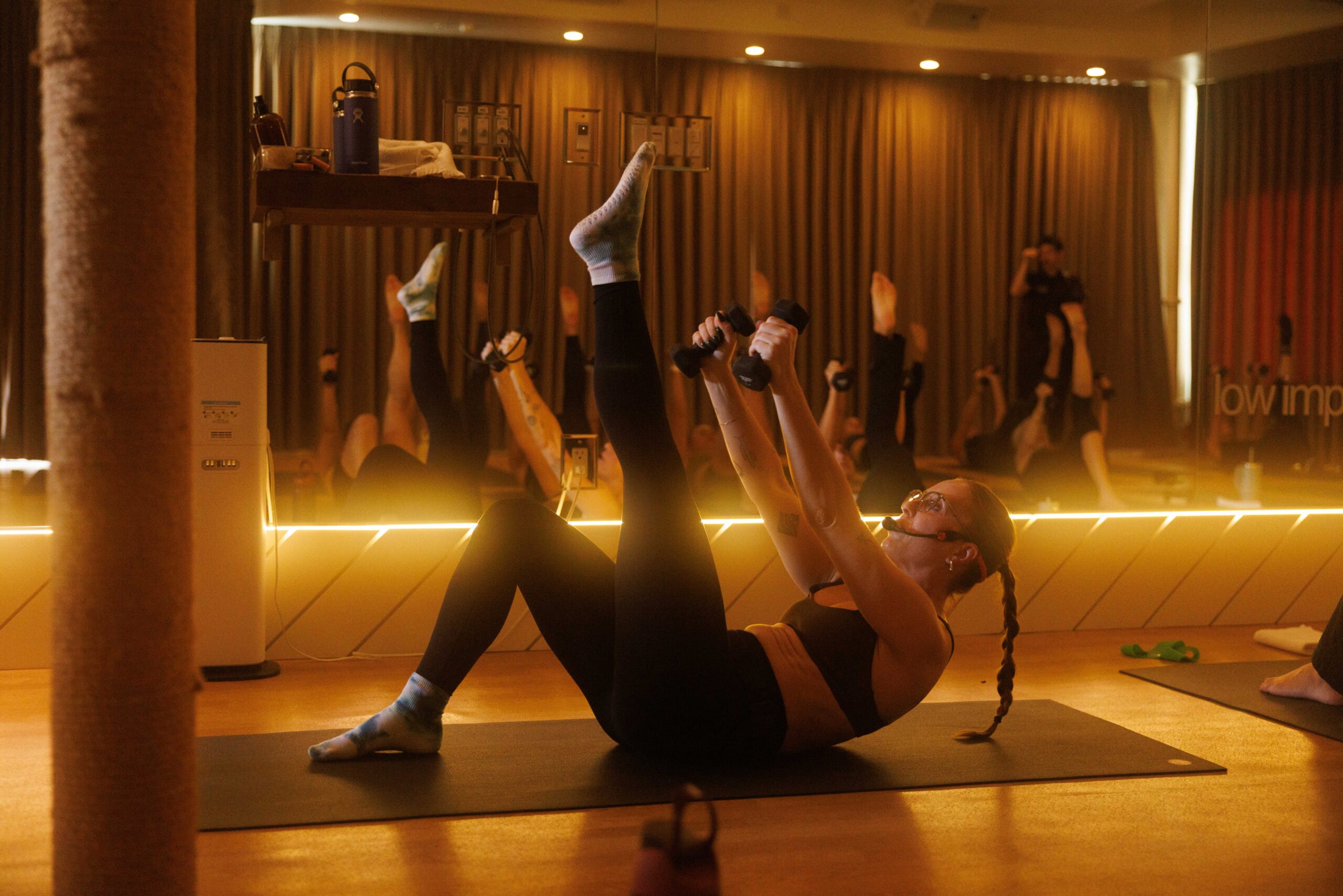
Picture this: your best instructor is on vacation, and a substitute steps in to teach her Tuesday reformer class. One of your regulars on the roster is managing a shoulder injury and working toward her first Teaser. Does the substitute know about the shoulder? Does she know this client just graduated from beginner mat work last month? Or is she starting from zero, working off a rushed handoff and a sticky note?
This is the exact moment where a Pilates studio CRM stops being a nice to have and becomes the backbone of how you run your studio.
As a studio owner, you already know that client progress and history are not just paperwork. They are the foundation of retention, safety, and the kind of individualized attention that turns a first-time visitor into a five-year member. A good Pilates studio CRM captures all of it: attendance patterns, movement progression, injury notes, stated goals, and instructor observations, all in one place, so nothing depends on any single person’s memory.
Here is what that looks like in practice, and why it matters more than most owners realize.

What Does “Client Progress and History” Mean in a Pilates Studio?
Every client who walks through your doors is on a journey, and that journey generates a lot of information. Without a system built for it, most of it lives in an instructor’s head, a paper folder, or a string of texts. A Pilates studio CRM organizes it into a few core categories:
- Attendance and class frequency: How often a client is showing up and to which class types
- Movement and ability progression: Where a client stands on the path from beginner mat work to reformer, tower, or advanced sessions
- Injury notes and physical limitations: Anything an instructor needs to know before cueing a movement or loading a spring
- Client goals: What the client is working toward, whether that is a first Teaser, postpartum recovery, or marathon training
- Instructor notes from past sessions: The small observations that shape how the next class should go
Are you someone who’s just getting started with setting up your Pilates studio, here’s a Pilates studio startup checklist that you must consider.
Why Attendance Data Deserves Extra Attention?
Attendance is not just a scheduling metric. It is an early warning system. Attendance is a powerful signal of engagement, one that tells you whether your schedule is aligned with client demand and whether clients are building habits that lead to retention.
In fact, Pilates clients who make it past their first two visits show incredibly strong retention going forward. That means a CRM that flags a client’s changing attendance pattern gives you a real chance to step in before they quietly decide to cancel.
| Attendance Pattern | What It Usually Signals | Suggested Owner Action |
| Consistent 3 plus classes per week | Strong habit, high engagement | Recognize progress, offer next level class |
| Down from weekly to biweekly | Early churn risk | Personal check in call or message |
| No visits in 3 plus weeks | High churn risk | Win back offer or direct outreach |
| First 2 visits completed | Strong retention likelihood if nurtured | Welcome sequence, goal setting conversation |
How a CRM Brings Client History Together in One Place?
The real value of a Pilates CRM is not any single data point. It is that attendance, progression, injuries, goals, and notes all live in one client profile instead of being scattered across instructors’ memories, intake forms, and old email threads.
When a client walks in for a session, any instructor teaching that day, whether it is regular staff or a last-minute substitute, can open the profile and instantly see:
- Recent attendance trend
- Current progression level
- Injury flags and modifications
- Stated goals
- Notes from the last few sessions:
That is the difference between instruction that feels generic and instruction that feels tailored, every time. This is why Mariana Tek’s Pilates studio software builds member engagement directly into its Marketing & CRM tools, with in-app challenges, milestones, streaks, and goals that automatically track progress and celebrate achievements instead of leaving it to instructors to remember and log manually.
Why Tracking Progress and History Actually Matters for Your Studio?
Tracking Progress & History Protects Retention
Churn rarely happens overnight. It shows up first as a client going from three classes a week, to one, to none. A CRM that surfaces attendance drop offs early lets you reach out with a check in text or a personal invite before that client has mentally moved on.
Mariana Tek is built to show you who is at risk of cancelling and who has or has not been visiting, with month over month views of client activity. That matters even more given that Pilates membership costs run 48% higher than other fitness modalities on average, so protecting every membership on the books carries real financial weight (see how Pilates class pricing breaks down for studios).
It Keeps Instruction Safe, Even for Substitutes
When injury notes and modifications are documented and searchable, you remove the risk of relying on “the one instructor who knows this client.” A new hire, a sub, or someone covering a leave can deliver instruction that is safe and appropriate from the very first class.
It Strengthens the Client Relationship
Clients notice when they are remembered. A simple “How did your knee feel after last week’s reformer class” or “You just graduated to advanced mat, congratulations” makes someone feel seen in a way small talk never will. In boutique fitness, that feeling is one of the biggest drivers of loyalty.
It Makes Progress Visible to the Client
When you can show a client real evidence of their progress, more classes attended, a documented jump from beginner to intermediate reformer, goals met, you reinforce exactly why their membership is worth keeping. Progress that only lives in an instructor’s memory is progress the client can never actually see.
It Powers Smarter Business Decisions
Individual client profiles are useful on their own. Aggregated across your whole roster, they become a strategic asset. Patterns start to emerge, like which class types have the fastest progression rates or where injury modifications are most needed. Mariana Tek’s insights dashboards give owners sales, studio stats, instructor stats, and the class schedule at a glance, plus tools that carry clients through to the critical 5-visit retention threshold with built in engagement flows.
It is worth remembering how competitive this space has become. Pilates is now the primary modality of over 43% of boutique fitness studios in the market, which means the studios that use client data best will have a real edge.

5 Ways Mariana Tek Makes Pilates Client Tracking Easier
If you are weighing how to put this into practice, here is where Mariana Tek fits in for Pilates studio owners specifically.
Automatic Progress and Milestone Tracking
Mariana Tek’s member engagement tools automatically track progress and celebrate achievements through in-app challenges, milestones, streaks, and goals, so instructors are not stuck manually logging every detail after every class.
Real Time Churn Risk Alerts
Instead of guessing which clients are drifting away, you get a clear view of who is at risk of cancelling and who has or has not been visiting, with month over month tracking of client activity.
Unified Insights Across Your Whole Studio
Mariana Tek’s insights dashboards give you a unified, real-time view of your business performance across classes, clients, and locations, so patterns in progression and attendance are visible at a glance, not buried in spreadsheets. You can also read about Pilates studio business plan which can give you more clarity and direction you need to achieve your goals.
Instructor Ready Client Profiles
Because attendance, progression, injury notes, and goals live in one client record, any instructor, including a substitute who has never taught that client before, can pull up everything they need before class starts.
Retention Tools Built into the Client Journey
Mariana Tek’s engagement flows are designed to carry clients through to the critical 5-visit retention threshold with brand wide challenges, loyalty, and referral tools built directly into your studio’s app.
FAQs related to Pilates Studio CRM
At minimum, attendance and class frequency, movement or skill progression, injury notes and physical limitations, stated client goals, and instructor notes from past sessions.
By surfacing attendance trends and flagging clients whose visit frequency is dropping, so owners and instructors can reach out before a client fully disengages.
Yes. If injury history, modifications, and progression notes are logged in the client’s profile, any instructor, including a first time substitute, can review that history before class and adjust accordingly.
Aggregated data across your full client base can reveal patterns, like which class types drive the fastest progression or where clients tend to plateau, that inform programming, staffing, and marketing decisions.
No. Single location studios benefit just as much, since owners and instructors often wear multiple hats and cannot rely on informal memory alone as their client base grows.
Bottom Line: Why Mariana Tek Is the Smarter Way to Track Pilates Client Progress
Client progress and history are not administrative overhead. They are one of the most valuable assets your Pilates studio has, and how well you track them directly affects retention, safety, and the client experience.
If your studio is still relying on instructor memory, paper intake forms, or scattered spreadsheets, you are leaving growth on the table. A dedicated Pilates studio CRM turns every attendance record, progression note, injury flag, goal, and session observation into one searchable source of truth that travels with the client, not with any single instructor.
That is the foundation Mariana Tek’s Pilates studio software is built on, giving you the tools to track progress, catch retention risk early, and deliver the kind of personalized, safe instruction that keeps clients coming back for years, not months.
Explore More Resources




by Julie Sippy Senior Marketing Manager
-
First published: July 29 2026
Written by: Julie Sippy