

Not all clients are alike. Some are so loyal they practically live at your studio; others might only come to class once in a blue moon. And while you could probably recite your monthly revenue, seasonal trends, conversion rates, and most popular classes off the top of your head—how well do you actually know your member segments?
Our team analyzed millions of boutique fitness reservations on the Mariana Tek platform and discovered the four distinct behavioral segments that most members fall into. It’s easy to spot the patterns, but many operators are lacking frameworks to engage each group and drive growth.
Especially among the two least committed segments: The Situationships and the On-Again, Off-Agains: members who show interest and intent, but struggle to build consistent habits. These groups often represent the biggest opportunity for studios to improve retention, increase visit frequency, and create stronger long-term member relationships with the right engagement strategies in place.

What are the key routine-based segments in boutique fitness?
These are the four segments that most members fall into, from most to least consistent:
- The Ride or Dies
- The Committed
- The Situationships
- The On-Again, Off-Agains
We explored the behavioral patterns, retention challenges, and growth opportunities each group presents for boutique fitness operators in our recent webinar.
Let’s take a closer look at the two trickiest segments.
The Situationships
This segment accounts for 72% of your customer base and generates around 63% of revenue. Their visits don’t really have a strong pattern; there’s no clear day or time preference and no predictable routine. They show up when life allows them to.
The Situationships have near-average metrics across the board:
- $171 monthly spending
- 1.6 visits per week
- 86.8% retention (near average levels)
The gap between this segment and your committed members is worth meaningful revenue. Our team views the Situationships as the biggest opportunity for boutique fitness studios. More on that in a moment.
The On-Again, Off-Agains
This segment accounts for 11.9% of your customer base, but only 9.4% of revenue. They are generally inconsistent and may be building habits—or they may want to stay right where they are.
- $131 monthly spend
- <1 visit per week
- 87% retention (surprisingly, near average levels)
Not every member is necessarily looking for a high-frequency fitness identity. Some people may naturally stay lower-frequency users, and that’s okay, too. But it’s still worth creating an environment that encourages deeper engagement.
How to drive loyalty and increase attendance among these segments
Every studio owner is constantly thinking about how to get members to attend more consistently, stay longer, and become loyal advocates for the brand.
That concern is especially relevant for the two segments we’re focusing on today, because 1) the Situationships are the largest segment and the biggest opportunity, and 2) the On-Again, Off-Agains are the least consistent and might feel riskier, especially for newer members under 90 days.
Here’s how successful operators drive loyalty and boost attendance with these two groups.
1) Motivate the Situationships
This is likely the biggest opportunity segment for most studios. The path to turning these members into consistent, committed clients is shorter than many operators realize—and doing so is worth roughly $43 more in revenue per member, per month.
For studios where this segment makes up 72% of the member base, even small improvements in engagement and retention can translate into meaningful revenue growth over time.
This segment is already engaged enough to attend. The challenge is helping them establish stronger routines and emotional connection. Here are a few ways we’ve seen operators be successful with this segment:
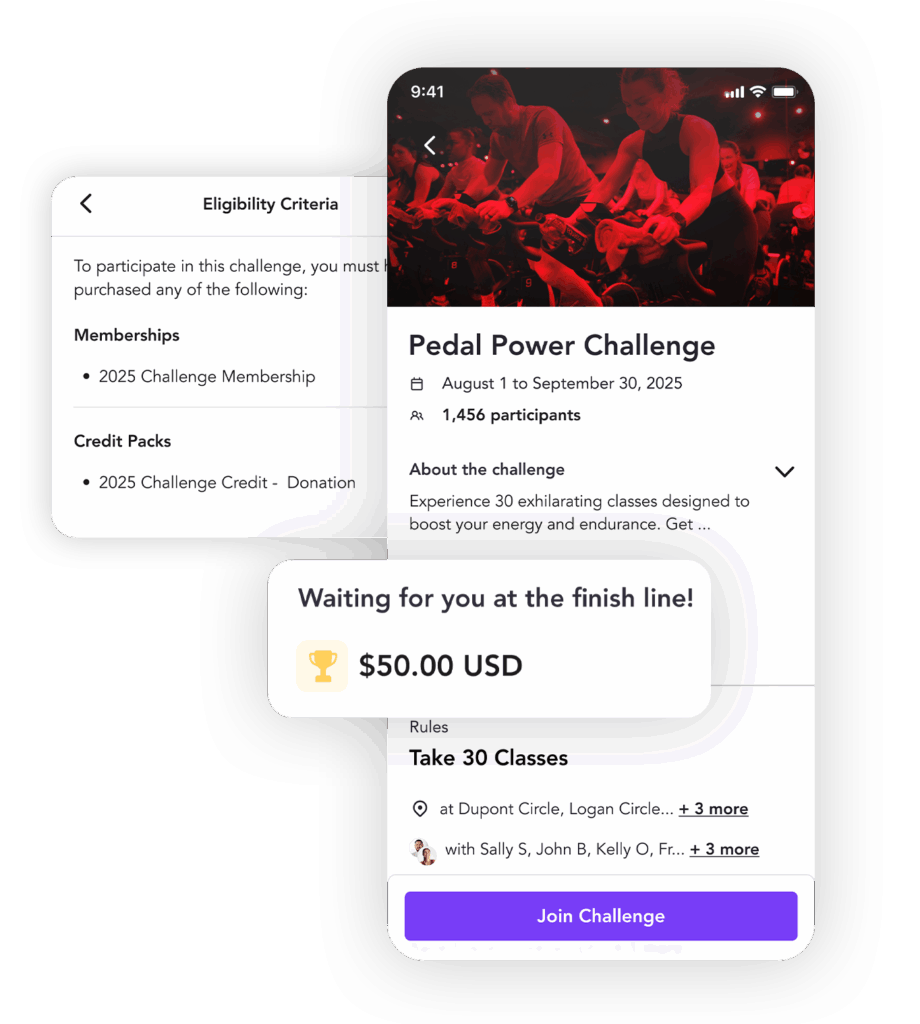
- Challenges – Our data shows that after a challenge, participants spend 1.5x more and attend 3 more classes per month. Challenges also boost retention by 30% among those who take part, and they stay engaged for at least 90 days after. (Download our Definitive Guide to Gamification here.)
- “Try a new class type” campaigns – Encourage members to branch outside their comfort zone by rewarding them for trying something new.
- Special events – Spotlight your most popular instructors by having them host unique experiences: themed classes, pop-ups, outdoor classes, etc.
- Customer surveys – Use Mariana Tek’s CSAT surveys to understand what is holding these members back. Then, offer a targeted discount tied to their specific goals.
2) Lean on automations for your On-Agains, Off-Agains
This segment will always exist in some form within your business. The real opportunity is using automation and thoughtful touchpoints to encourage stronger engagement without creating operational burden.
We often recommend operators look closely at where these members are in their lifecycle. For example: A newer member under 90 days may have strong potential to graduate into a Situationship or Committed member, whereas a long-term, low-frequency member may simply prefer a casual relationship with fitness.
Here are some ways to entice these members to become a greater part of your community using automations:
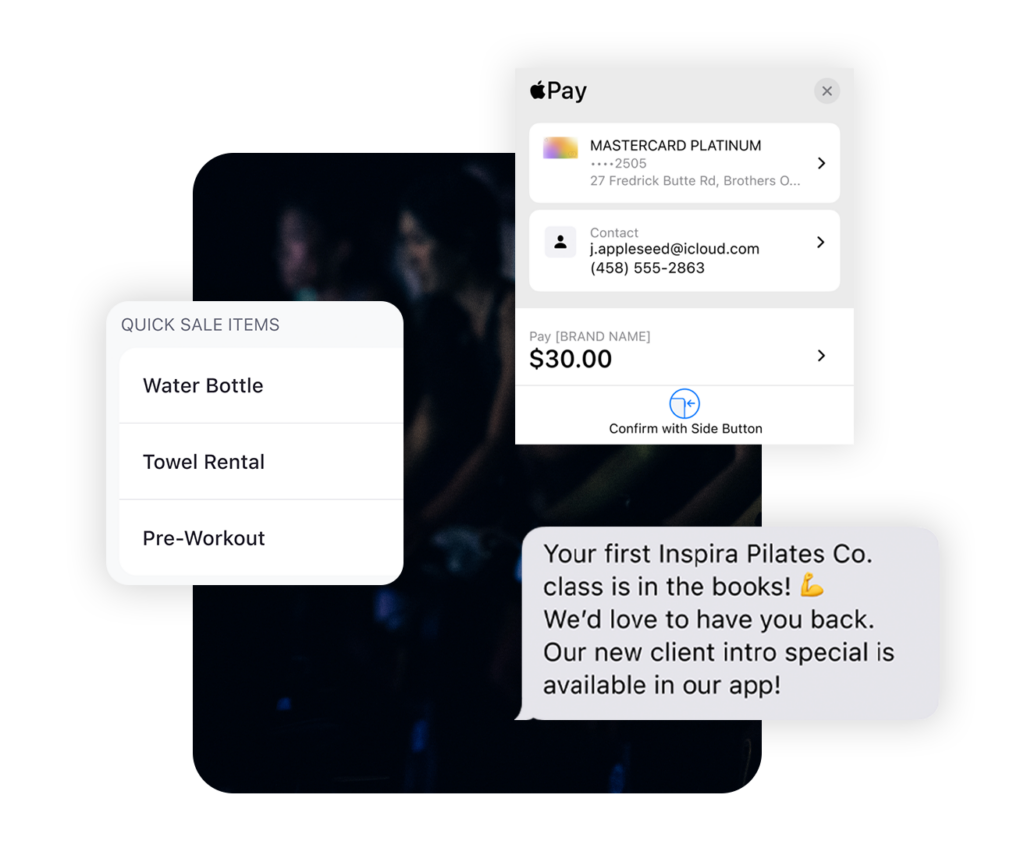
- First-visit journeys
- Winback campaigns
- Attendance triggers
- Personalized nudges
Remember: You don’t need to force every member into the same behavior pattern. Instead, build an understanding of where members are in their journey and create the right touchpoints to deepen engagement over time.
Want more segmentation data?
We broke down the data behind all four member behavior segments and explored how top operators are turning these insights into measurable growth. Learn from industry leaders David Bergeron of EverybodyFights and Nick Staples of Zenergy Cycling as they shared the real-world strategies they use to engage members, increase retention, and drive revenue in our recent webinar.


by Julie Sippy Senior Marketing Manager
Contributor: Julie Sippy Senior Marketing Manager
-
First published: May 19 2026
Written by: Julie Sippy