
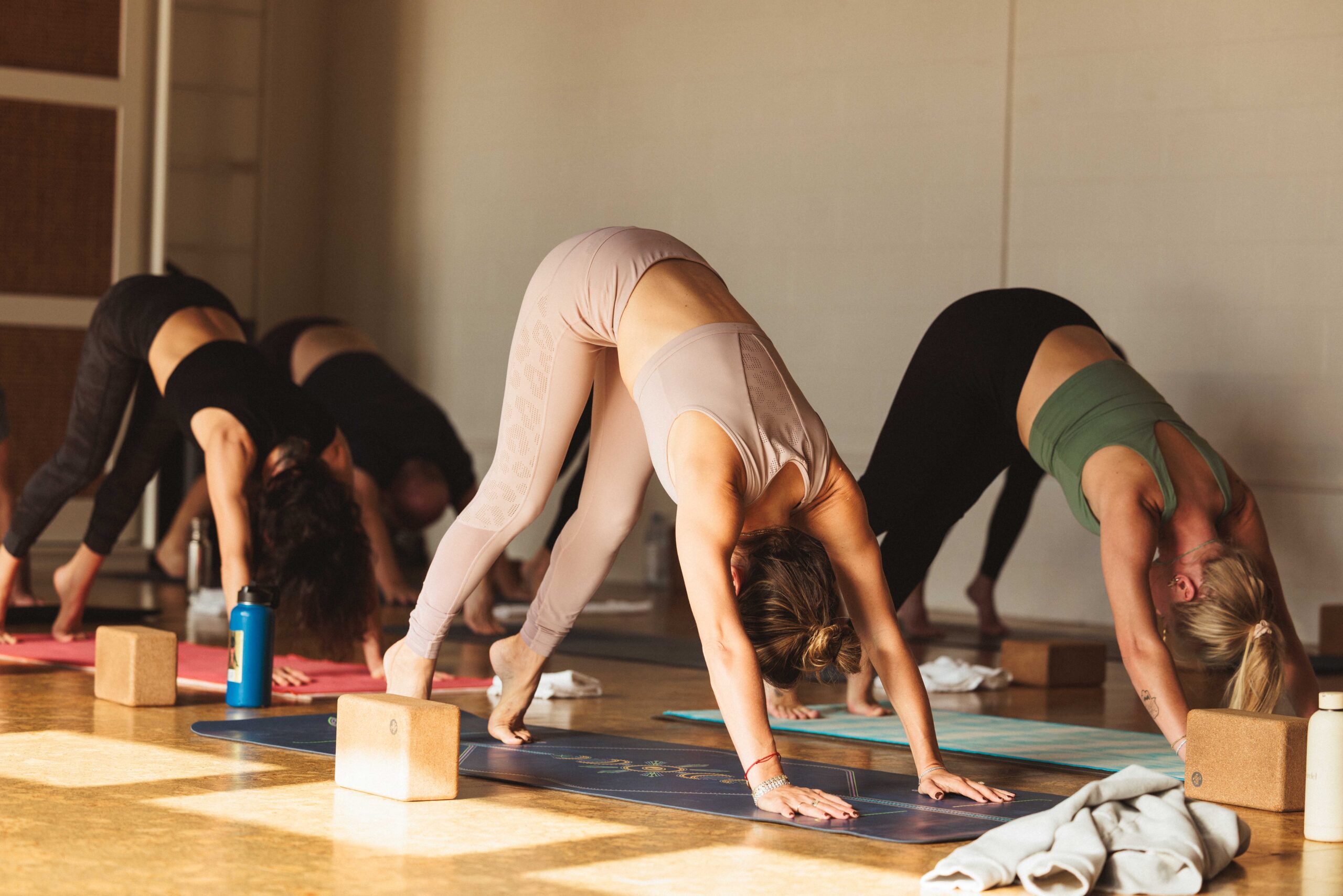
Opening a yoga studio is exciting, right up until you’re staring at a blank weekly calendar wondering where to even begin. Learning how to plan a yoga studio schedule properly, before you ever open your doors, is one of the most underrated drivers of long-term success. A schedule is not just a list of times and instructor names. It’s a reflection of your community’s daily rhythm, your teachers’ capacity, and your studio’s ability to generate consistent, predictable revenue.
Get it wrong, and you’ll see half empty rooms, instructors stretched too thin, and students who quietly stop rebooking. Get it right, and your schedule becomes a quiet growth engine that fills classes, builds loyalty, and gives your business the stability it needs to scale into a second room or second location.
This guide walks new and growing studio owners through a complete framework for building a yoga teaching timetable: researching your audience, designing a balanced week, protecting your instructors, and using the right tools and policies to keep it all running smoothly.

Best Scheduling Practices for Yoga Studios in the USA At a Glance
- Make bookings and cancellations frictionless from a phone
- Build an active waitlist that fills every open spot
- The best Yoga scheduling practices start with surveying your community before you build a single class slot, not guessing at demand.
- New studios typically launch with 15 to 25 classes per week, then scale once attendance data shows where real demand lives.
- A balanced weekly timetable rotates energizing classes (Vinyasa, Power) with restorative ones (Yin, Hatha, meditation) so students and teachers both avoid burnout.
- Buffer time of 15 to 30 minutes between classes protects your space, your community vibe, and your transitions.
- Manual, spreadsheet based scheduling works at a small scale but breaks down fast. Most growing studios move to dedicated yoga studio scheduling software within their first year.
- Clear, automated cancellation and no-show policies protect revenue that would otherwise be lost to empty mats.
Step 1: Research Your Students Before You Build Anything
Before you place a single class on the calendar, you need real information about who you’re scheduling for, not assumptions. A studio near a downtown business district will have very different demand patterns than one in a suburban area full of parents, retirees, or college students.
A simple way to gather this is to survey your future or current community directly:
- Run a short survey through a free tool and share it with your network or existing student list.
- Post a poll on your studio’s social channels asking about preferred class times, formats, and in person versus online preferences.
- If you’re already teaching elsewhere, ask your current students directly what would make them follow you to a new studio.
Ask about more than just timing. Find out whether students prefer 30, 60, or 90 minute sessions, whether they’re interested in hybrid or livestreamed classes, and what styles they’re currently practicing elsewhere. The more data you collect before opening, the more confidently you can build a schedule people actually want.
Standard Peak Hours in US Yoga Studios
| Time Slot | Typical Audience | Recommended Class Style |
|---|---|---|
| 6:00 AM to 7:30 AM | Working professionals before work | Energizing Vinyasa, Sunrise Flow |
| 12:00 PM to 1:00 PM | Office workers on lunch breaks | Express 45 to 60 minute Flow |
| 4:30 PM to 5:45 PM | Students, early finishers | Foundations, Beginner Basics |
| 5:30 PM to 7:30 PM | Post work crowd (highest traffic) | Power Yoga, Hot Yoga, Restorative |
| 9:00 AM to 11:00 AM | Parents, retirees, flexible schedules | Gentle Yoga, Yin, Prenatal, Hatha |
| Weekends (all day) | Community focused, workshops | Slow Flow, Workshops, Sound Healing |
Weekends (all day) Community focused, workshops Slow Flow, Workshops, Sound Healing
These hours are a reliable starting framework, but they are not universal. Once your studio is open, use your real booking data to validate or adjust them. In the Southeast, late morning and late evening classes tend to outperform the national average, while in the Northeast, peak attendance clusters around 5–6 PM and 7–8 PM.
Off Peak Strategy
Don’t leave your off-peak hours empty.
Use them intentionally for:
- Specialized workshops (backbends, inversions, breathwork, arm balances)
- Prenatal or postnatal yoga
- Gentle or therapeutic yoga for older adults
- Teacher training, mentorship, or continuing education sessions
Step 2: Decide How Many Classes to Offer
One of the most common questions new studio owners ask is how many classes they should put on the schedule. There is no single right answer, but a few practical questions can help you land on a number:
- How many hours per week do you realistically have available to teach or staff instructors?
- How many classes do you need running to reach your target monthly revenue?
- How many instructors do you currently have, versus how many you plan to hire?
As a general benchmark, most new studios start with 15 to 25 classes per week in a single room. Starting smaller allows you to build strong attendance in each individual class before adding more, avoid overextending your teaching staff, and gather real performance data before committing to a bigger schedule. As demand grows, many studios scale toward 30 to 40 or more classes per week, especially once they add a second room or additional instructors.
If you already have a loyal following in a particular class, be cautious about removing it later. It’s far easier to add classes to a proven schedule than to walk one back once students have built it into their routine.
Mastering the Flow: Yoga Studio Business Plan Guide — covers class offerings, scheduling structure, and membership models as part of a business plan. Good for readers still in the planning phase before opening.

Step 3: Design the Weekly Blueprint
Once you know your audience and your class count, it’s time to build the actual timetable. This is where the art and science of scheduling meet.
Balance Class Variety and Progression
A good weekly timetable is not just full, it’s balanced. Students want variety, and your schedule should reflect a natural rhythm across the week rather than repeating the same format every day.
- Monday to Wednesday: Higher energy classes (Power, Vinyasa, Ashtanga) to build early week momentum.
- Thursday to Friday: A mix of moderate and restorative classes as the week winds down.
- Weekends: Community focused sessions, longer workshops, and beginner friendly classes.
The Buffer Time Rule
One of the most overlooked best scheduling practices for yoga studios is buffer time. Never schedule classes back to back. Build in 15 to 30 minutes between sessions for room resets and cleaning, students checking in and settling, and community mingling, which is often where real retention happens. Studios that skip buffer time tend to see rushed, chaotic transitions that quietly erode the student experience over time.
Vary Class Duration, Not Just Style
Most studios default to a standard 60 minute class, but mixing in shorter 30 to 45 minute express sessions and longer 75 to 90 minute deep practice classes gives students more ways to fit yoga into different types of days, especially around lunch breaks or weekend mornings.
Sample Weekly Schedule Template
| Day | Morning | Midday | Evening |
|---|---|---|---|
| Monday | 6:30 AM Sunrise Vinyasa | 12:00 PM Express Flow | 6:00 PM Power Yoga |
| Tuesday | 9:30 AM Hatha (all levels) | — | 6:00 PM Yin & Meditation |
| Wednesday | 6:30 AM Vinyasa Flow | 12:00 PM Express Flow | 6:00 PM Power or Hot Yoga |
| Thursday | 9:00 AM Prenatal Yoga | 4:30 PM Beginner Foundations | 7:00 PM Restorative |
| Friday | 7:00 AM Morning Flow | — | 5:30 PM Restorative & Sound Healing |
| Saturday | 9:00 AM Community Vinyasa | 11:00 AM Specialized Workshop | 4:00 PM Donation Class |
| Sunday | 10:00 AM Beginner Series | — | 5:00 PM Yin & Meditation |
This is only a starting point, not a rulebook. Real studios that have scaled successful, sustainable schedules often share their approach in more detail. If you’re still finalizing your studio’s overall setup before locking in a schedule, this guide to opening a yoga studio walks through the earlier startup steps.
Step 4: Manage Instructors and Avoid Burnout
Your teachers are your studio’s biggest asset, and a poorly designed schedule can burn them out fast, which quietly hurts retention on both sides of the business.
The Golden Rule
Avoid scheduling the same teacher for multiple high intensity classes back to back, especially across several consecutive days. Physically demanding styles like Power Yoga, Hot Yoga, or Ashtanga require genuine recovery time, even for experienced instructors.
Pay Bands and Consistency
Instructor pay for yoga classes in the US commonly ranges from around $15 to $25 per hour for newer teachers, up to $45 to $65 per hour or more for advanced, in demand instructors. Whatever your pay structure, try to keep popular class slots with the same instructor from week to week. Consistency is one of the simplest ways to help students build a genuine, repeatable routine, which directly supports retention.
Smart Substitute Systems
Set up a reliable substitute process before you actually need it. This typically includes a shared availability list of backup teachers, clear communication protocols for last minute changes, and ideally automated notifications when a sub is needed rather than manual phone calls or group texts.
Why This Matters for Retention
A predictable, sustainable schedule is one of the top reasons instructors stay loyal to a studio long term. Teachers who feel overworked or unsupported tend to leave, and they often take loyal students with them. Thoughtful instructor scheduling isn’t just an operational detail, it’s a genuine retention strategy for your whole business.

Step 5: Move from Planning to Execution with the Right Tools
Once your schedule is designed, the next challenge is keeping it running smoothly day to day. This is where many new studio owners hit a wall.
Why Spreadsheets Eventually Fail?
Manually tracking bookings, waitlists, capacity, and cancellations works fine when you have a handful of classes. As your studio grows past that early stage, spreadsheets and manual booking quickly become a bottleneck, leading to overbooked classes, missed waitlist opportunities, double bookings, and hours of unnecessary admin work every week.
What to Look for in Yoga Scheduling Software?
The right software should handle the operational side of your schedule so you can focus on teaching and community, not admin.
Look for following things in Yoga scheduling software:
- 24/7 self-service mobile booking for students
- Automated waitlists that fill open spots automatically, sometimes up to an hour before class
- Real time attendance and capacity tracking across every class and room
- Automated SMS and email reminders
- Built in late cancel and no show fee enforcement
- Instructor availability, payroll, and substitute management in one place
Platforms like Mariana Tek’s yoga studio software help new studios operate like established, enterprise grade businesses from day one, without needing a large admin team behind the scenes.
Step 6: Set Policies That Protect Your Revenue
Even the best scheduled classes can lose money if you don’t have policies in place to protect against no shows and late cancellations.
Automated Reminders
Send SMS or email reminders 24 to 48 hours before class. This simple step significantly reduces no show rates by keeping class times top of mind for students who might otherwise forget.
Cancellation and No Show Fees
New studios in particular cannot afford consistently empty mats. A fair, clearly communicated cancellation window, typically 12 to 24 hours before class, helps protect your revenue while still respecting your students’ time and schedules.
| Policy Element | Recommended Practice |
|---|---|
| Cancellation window | 12 to 24 hours before class |
| Late cancel fee | Flat fee or loss of class credit |
| No show fee | Higher than late cancel, since no notice was given |
| Reminder timing | 24 to 48 hours in advance via SMS or email |
| Waitlist policy | Automatic promotion when a spot opens |
Automating these policies through your scheduling software removes the awkwardness of manually enforcing fees and ensures every student experiences the same consistent rules.
Step 7: Keep Optimizing After You Launch
Your first schedule will not be perfect, and that’s expected. Treat it as a living document rather than a fixed plan.
- Build a feedback loop- Regularly collect input from students so their preferences guide ongoing adjustments.
- Adjust seasonally- A soothing Yin practice tends to resonate more in winter, while energizing Vinyasa flows often perform better in summer.
- Add themed workshops- Sessions like stress relief yoga, back pain focused classes, or an intro to pranayama add variety without disrupting your core weekly rhythm.
- Design for inclusivity- Make sure your week includes options for seniors, expecting mothers, beginners, and anyone with specific physical considerations.
- Watch your data monthly- Review attendance patterns and shift or retire underperforming slots rather than letting them quietly drain your room capacity.
FAQs about how to Plan a Yoga Studio Schedule in 2026
Most new studios start with 15 to 25 classes per week in a single room, then scale up as attendance data shows where demand is strongest.
The most consistent peak hours are early morning (6:00 to 7:30 AM), lunchtime (12:00 to 1:00 PM), and early evening (5:30 to 7:30 PM), though this varies by neighborhood and audience type.
Aim for 15 to 30 minutes between classes to allow for room resets, student check ins, and community mingling.
Most studios benefit from switching once they have consistent daily classes, growing waitlists, or plans to open a second room or second location.
Avoid scheduling the same instructor for multiple high intensity classes in a row, build in genuine recovery time, and maintain a reliable substitute system.
A 12 to 24 hour cancellation window, paired with automated reminders and enforced late cancel or no show fees, is a common and effective standard across US studios.
Pay varies widely by market and experience, but newer instructors commonly earn around $15 to $25 per hour, while advanced or in demand teachers can earn $45 to $65 per hour or more.
Bringing It All Together- Plan a Yoga Studio Schedule in 2026
Learning how to plan a yoga studio schedule the right way comes down to a mix of understanding your community, designing a thoughtful and balanced timetable, protecting your teachers from burnout, and using the right tools and policies to execute it all smoothly. Start simple, listen closely to your early students, and let real attendance data guide your adjustments over time.
Your schedule won’t be perfect on day one, and that’s normal. The studios that succeed are the ones that keep refining their timetable based on what their community actually needs, month after month.
Ready to turn your planned schedule into a seamless, automated system? Explore Mariana Tek’s yoga scheduling software to see how studios like yours launch stronger and grow faster with less administrative stress.

by Julie Sippy Senior Marketing Manager
-
First published: July 16 2026
Written by: Julie Sippy