
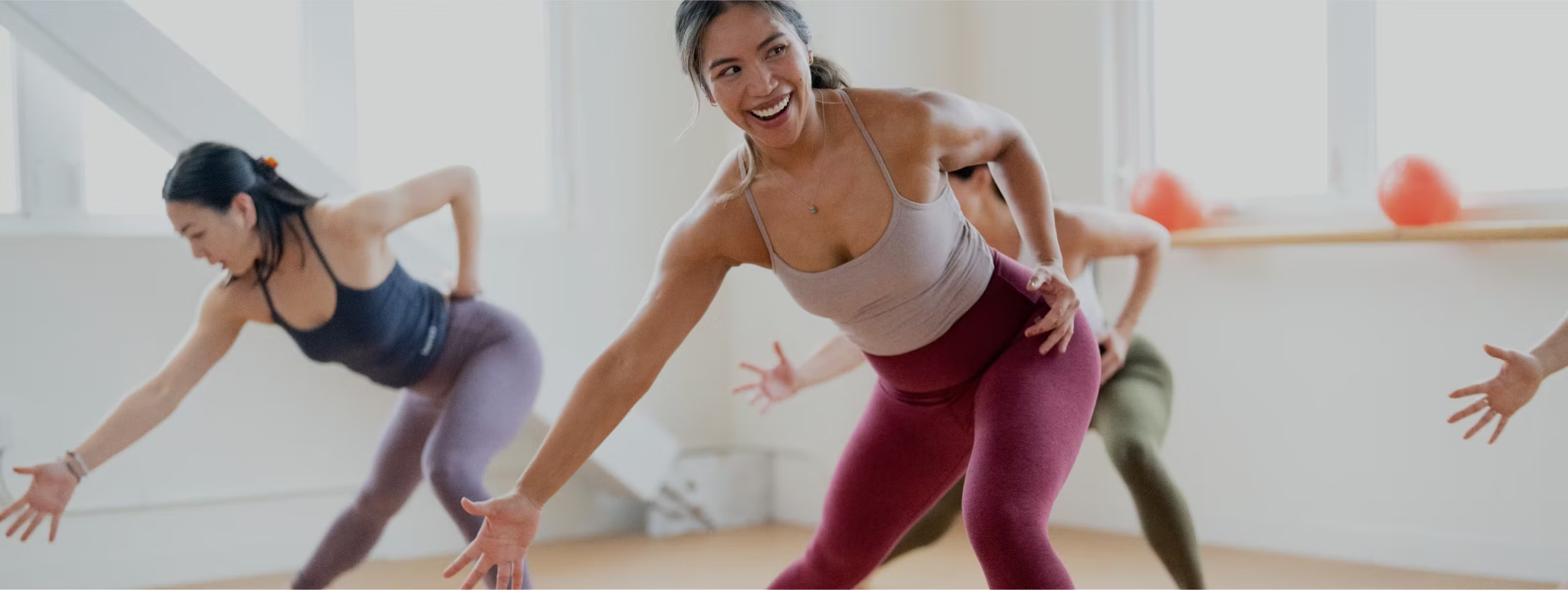
Everyone in boutique fitness is familiar with barre3. As one of the earliest and most successful barre brands, the business has found ways to grow and change with the market over the last 18 years. What started as a single studio has grown to 206 locations across 38 cities, plus a digital streaming business that extends the community well beyond the studio floor.
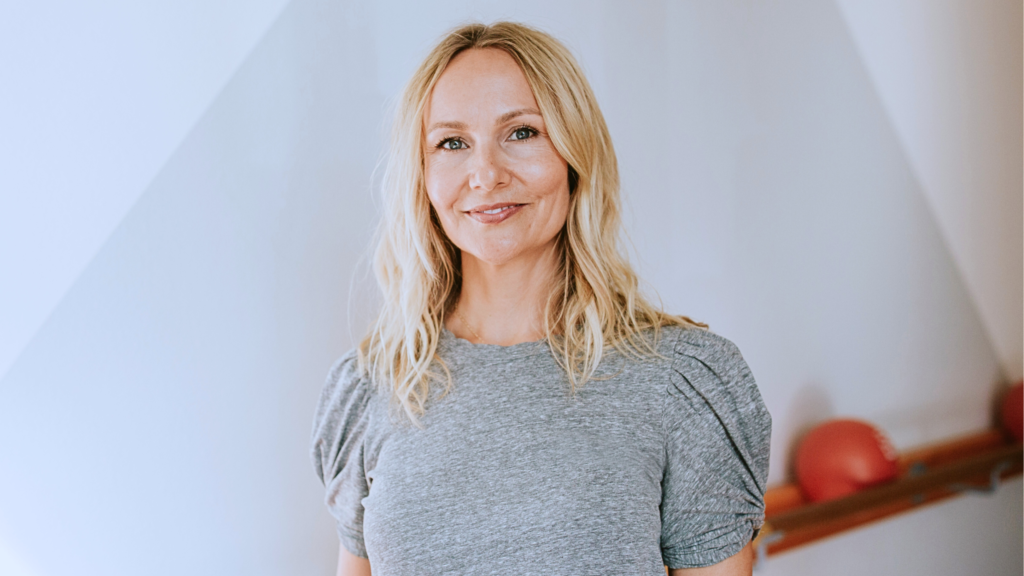
We had the opportunity to chat with barre3 cofounder Sadie Lincoln after the She Built This panel in Denver, and it was quickly clear that this growth and evolution was intentional. Sadie planned for barre3 to evolve over time in order to build something lasting.
Building in Flexibility
Sadie wants barre3 to be flexible—not the kind of flexibility clients build through consistent classes (although that’s great, too!), but the kind that keeps the brand progressing over time.
The fitness industry is full of brands built around a fixed format: A defined set of moves, a specific culture, a “this is how we’ve always done it” identity. When she founded barre3 in 2008, Sadie went the other direction on purpose.
“I set out to create a system of exercise that evolved over time, rather than a system attached to a rigid heritage method,” Sadie says. “I wanted it to be about science—learning from our clients, from women, from their bodies, and what was working or not working for them, and adjusting the product over time to help her stay in fitness for the long haul.”
In practice, that means barre3 has never stopped changing. Classes look different than they did a decade ago. New formats have been added. The programming has gotten more sophisticated. And rather than pushing members away, that evolution has kept them coming back.
“The workout itself is sustainable and it changes over time so you don’t plateau, and that really helps people foster a long-term relationship with us as well.”
The proof is in the class roster: Sadie still teaches a class to clients who have been coming for 17+ years. That number is hard to achieve in boutique fitness, where churn is one of the biggest challenges operators face. A method that grows with its members turns out to be a powerful retention strategy.
The Franchisee Feedback Loop
The specifics of a franchisor/franchisee relationship might not apply to everyone, but Sadie’s commitment to feedback does. Sadie treats her franchise partners as one of her best sources for on-the-ground input. “We have a whole system for gathering insights from them about what’s going on in their communities so that our product reaches women in the most impactful way possible.”
That system was built, in part, because franchisees asked for it. In the early days, some were honest enough to say they needed more support. They had franchised specifically to get the backing of a larger brand and weren’t feeling it. “Those honest conversations pushed us to say, ‘Yeah, we really need to build that capability,’” Sadie says.
This led to a significant investment in data and analytics, giving franchisees a more evidence-based approach to running their businesses.
TL;DR: Operators are a great source of product insight for franchisors or brands with multiple locations. And clients are the best source of insight for everyone in the business. You just need systems in place to actually hear what they have to say.
Evolving for a Specific Audience: Women
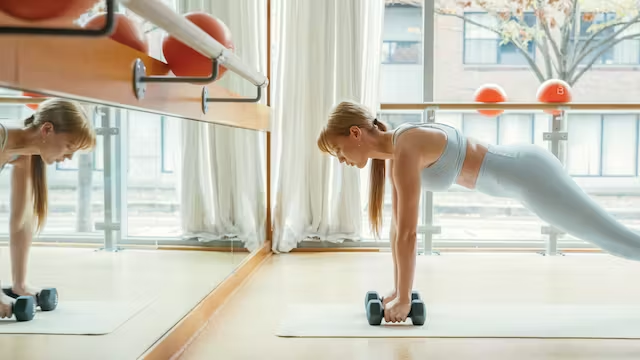
A recent example of the evolution mindset at barre3 is Barre Strength, a newer format built around progressive load and traditional strength training. According to Sadie, “it’s less barre-driven and more specifically about building strength, and that came directly out of conversations around building bone density.”
The barre3 team isn’t alone in picking up on this conversation; we heard plenty about longevity, bone density, and strength for women as they age during the She Built This panel.
Women are paying more attention to longevity, strength, and long-term health than ever before. A study from The Journal of the American College of Cardiology found that women who do strength training exercises 2–3 days per week “are more likely to live longer and have a lower risk of death from heart disease, compared to women who do none.” Women are listening to the data: According to Fitt Insider, women’s use of free weights increased by 150% between 2011 and 2021.
Sadie knows that conversation needs to go beyond panels and into the studio. The team is determined to do more than capture a trend with Barre Strength. It’s all about continuing to listen to what women need and build something that serves them.
Taking the Long-Term View
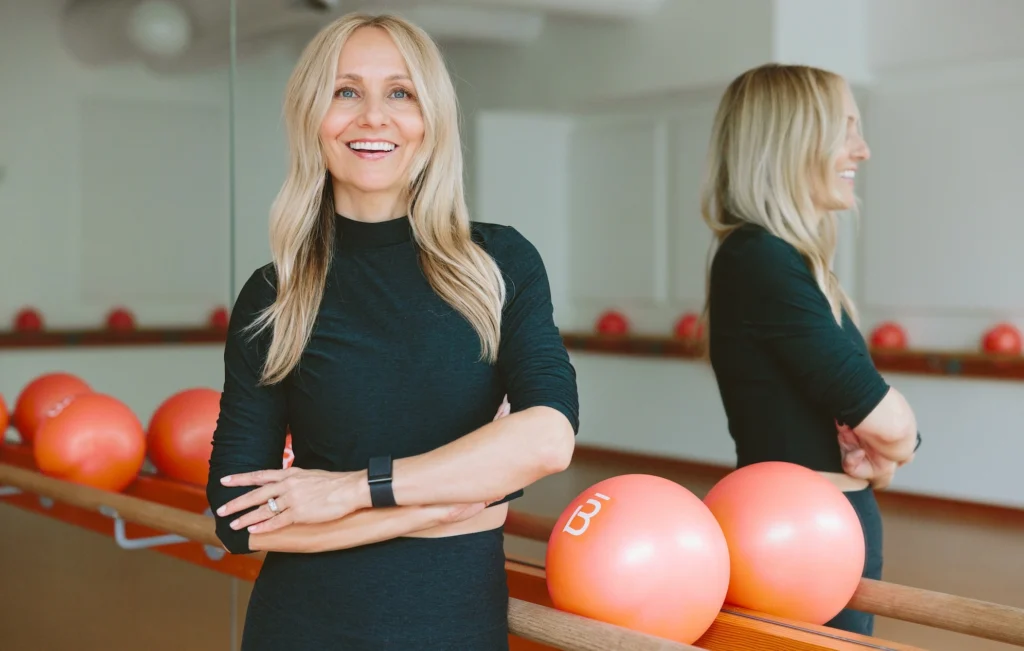
Back when they opened their first studio, Sadie told her husband and cofounder Chris that she believed the relationships formed in the studio’s lobby were just as important as the actual exercise done in the room, for people’s health and wellbeing. “That idea, that relationships matter more than exercise, is one of our mantras that lives on today and we talk about it all the time.”
Sadie’s instinct to prioritize relationships and continuously evolve with barre3 has worked out. The brand continues to grow, all while holding onto the close-knit community that made it special in the first place.
Boutique fitness brands come and go depending on whether their clients return or move onto the next thing. The orientation toward growth at barre3 means that while the method kept evolving, the community stayed. And Sadie plans to keep leading in that way.
“The most important thing I recognize in leaders I admire are the ones who are accountable when they’re not doing well and are willing to change and grow because of it.”
Be sure to watch the full Denver She Built This panel below for more insights from Sadie and our other panelists:
- Kamille McCollum: Chief Brand Officer & President, BODYBAR Pilates
- Felicia Alexander: Chief Revenue Officer, TITLE Boxing Club, Co-founder BoxUnion
- Debra Strougo: Growth Partner, Fitizens

by Julie Sippy Senior Marketing Manager
-
First published: June 03 2026
Written by: Julie Sippy