

Opening a Pilates studio is one of the most rewarding moves you can make in the fitness industry and right now, the timing has never been better. With the global Pilates market on track to reach $409 billion by 2032, demand for boutique Pilates experiences continues to surge.
Opening a Pilates studio can be highly rewarding- both financially and personally; but it requires careful planning. In the USA, expect it to cost $50,000–$150,000 for a small-to-mid studio, or $150,000–$350,000+ for a premium reformer setup.
This guide walks you through every stage: from writing your business plan and securing funding, to choosing equipment, building your team, and marketing your opening day. Whether you’re a certified instructor ready to branch out on your own, or an entrepreneur entering the boutique fitness space, you’ll leave with a clear roadmap.
Ready to lay a strong foundation for your studio? Mariana Tek’s all-in-one Pilates studio platform can help you manage operations seamlessly, from class scheduling to client communications.

Why Open a Pilates Studio?
Opening a Pilates studio presents a unique opportunity in a world where wellness and fitness are not just trends but lifestyles. But what makes Pilates stand out in the crowded fitness market? Let’s dive in.
A Growing Demand: The numbers don’t lie. Pilates has seen a surge in popularity, not just as a form of exercise, but as a holistic approach to health and wellness. This growing demand is a clear signal that the market for Pilates is not just present but expanding. With more people looking to improve their physical strength, flexibility, and mental well-being, Pilates studios are becoming a sought-after destination.
The Benefits for Owners and Clients: For studio owners, Pilates offers a business model with considerable potential for profitability and client retention. Pilates clients are often loyal, committed, and willing to invest in their health, providing a stable customer base. For clients, the benefits of Pilates include improved posture, muscle tone, and stress reduction, among others. This mutual benefit creates a strong foundation for a successful business.
A Community of Wellness: Opening a Pilates studio goes beyond financial gains; it’s about building a community. Your studio will become a sanctuary where people come to work on their physical and mental well-being. It’s a place where lasting relationships are formed, not just between instructors and clients, but among clients themselves. This sense of community can become one of your studio’s most significant selling points.
Flexibility and Creativity: As a Pilates studio owner, you have the freedom to shape your business. Whether you focus on traditional Pilates, incorporate contemporary methods, or specialize in rehabilitation, your studio can reflect your vision and expertise. This flexibility allows for creativity in your offerings, making your studio stand out in a competitive market.
A Fulfilling Venture: Lastly, opening a Pilates studio is incredibly fulfilling. Watching clients achieve their health and fitness goals, knowing you’re contributing positively to their lives, brings a sense of satisfaction that’s hard to find in other businesses. It’s not just about making a living; it’s about making a difference.
In the next sections, we’ll cover the practical steps to turn this opportunity into reality, ensuring your Pilates studio not only opens its doors but thrives in the long term.
How Much Does It Cost to Open a Pilates Studio?
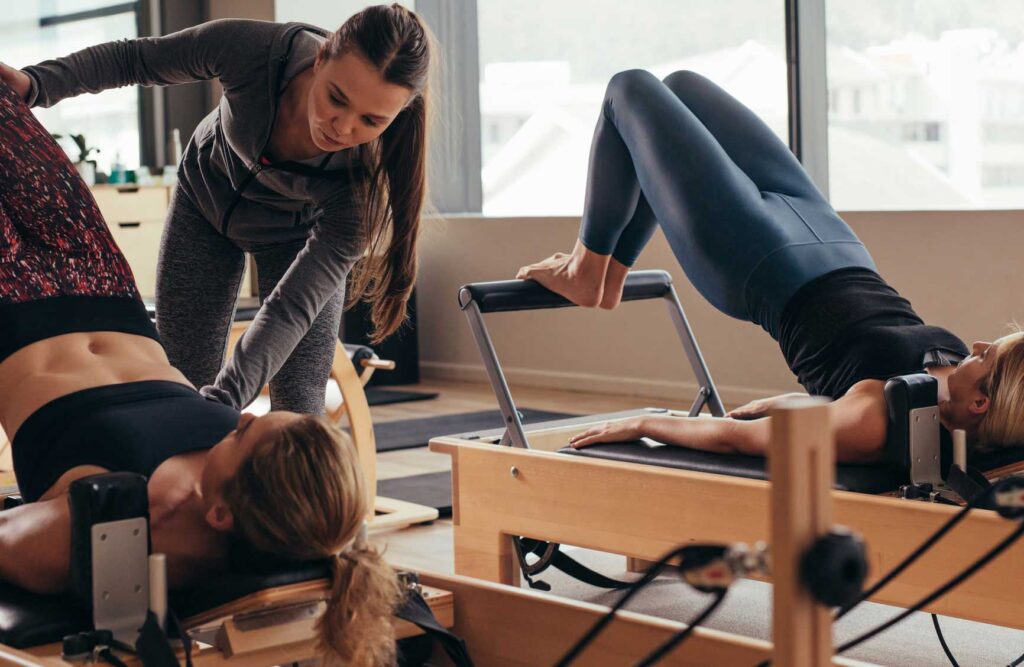
Startup costs vary significantly depending on your studio format, location, and equipment choices. Here’s a realistic overview of what to budget:
- Budget Studio (Home-based or Small Space): $30,000 – $60,000 Ideal for solo instructors starting out, with 2–4 reformers, minimal renovation, and a lean marketing budget.
- Mid-Range Commercial Studio: $75,000 – $150,000 A viable model for most first-time owners: 6–10 reformers, professional fit-out, software, insurance, and a launch marketing budget.
- Premium Reformer Studio: $150,000 – $350,000+ Full commercial space with 10+ reformers, high-end finishes, a complete apparatus collection, and a substantial pre-opening marketing campaign.
Equipment: Your Largest Line Item
Commercial-grade reformers are typically your biggest upfront cost. Expect to pay $3,500–$8,000 per reformer, depending on brand and model. Most studios open with 8–12 units. Budget additionally for:
- Cadillac/Tower units: $3,500–$6,000 each
- Chairs (Wunda, High): $1,200–$2,500 each
- Barrels and arcs: $800–$1,500 each
- Mats, props, and accessories: $1,500–$3,000 total
When possible, invest in professional-grade equipment from the start. It’s safer for clients, more durable, and signals quality to prospective members.
Lease and Location Costs
Commercial leases typically require 3–6 months of upfront payments — first and last month’s rent, a security deposit (often 1–3 months), and sometimes a broker fee. For a 1,500 sq ft studio:
- Urban premium location: $25–$50 per sq ft annually
- Suburban commercial space: $15–$30 per sq ft annually
- Secondary/regional markets: $8–$20 per sq ft annually
Factor in build-out and renovation costs on top of lease costs, which can add $20,000–$80,000 depending on the condition of the space.
Insurance and Legal Setup
Protecting your studio legally is non-negotiable. Budget $3,000–$8,000 for comprehensive coverage, including:
- Professional liability insurance
- General business liability
- Property/equipment insurance
- Workers’ compensation (if hiring employees)
Register your business as an LLC or Corporation early; business formation typically costs $500–$2,000. Don’t skip this step; it protects your personal assets if something goes wrong. Xplor Insurance offers customised studio insurance solutions if you want a streamlined option.
Software
Budget $150–$450/month for studio management software. This covers online booking, class scheduling, payment processing, and client communications- all essential from day one. Mariana Tek’s Pilates Studio Software is built specifically for boutique fitness studios and scales with you as you grow.
Build In a Buffer
One consistent piece of advice from experienced studio owners: budget 20–30% more than your initial projections. Unexpected costs like delays, equipment lead times, early-months cash flow gaps are the rule, not the exception. Aim to have 3–6 months of operating expenses in reserve before opening day.
💡 Need flexible financing to bridge the gap? Xplor Capital offers fast, fitness-specific funding designed for studios at exactly this stage.
How Much Do Pilates Studio Owners Make?
Studio owner income varies widely depending on location, format, pricing model, and how long the studio has been operating. That said, here are realistic benchmarks:
- Solo instructor/small studio: $40,000–$70,000/year (owner-operator model)
- Established boutique studio (6–12 reformers): $80,000–$150,000/year net profit
- Multi-instructor premium studio: $150,000–$300,000+/year (with strong retention and pricing)
Revenue comes from a mix of class packs, memberships, private sessions, workshops, and retail (apparel, accessories, branded merchandise). Memberships are the most valuable revenue stream – predictable, recurring income that makes planning and staffing far easier. See how Mariana Tek’s Marketing & CRM tools help studios convert drop-ins into loyal members.
Profitability typically starts to materialise 12–18 months post-opening, once your fixed costs are absorbed by a growing membership base. The studios that reach profitability fastest tend to have strong pre-opening sales strategies — building a waitlist and selling founding memberships before the doors open.
💡 Want to see how top-performing studios benchmark their revenue? Explore Mariana Tek’s Data Library for boutique fitness insights.
Quick Summary: How to Open a Pilates Studio
Startup costs: $30K–$60K (budget) | $75K–$150K (mid-range) | $150K–$350K+ (premium reformer studio)
Time to profitability: Typically 12–18 months post-opening
Biggest expense: Reformers ($3,500–$8,000 each; most studios open with 8–12 units)
Key steps at a glance:
| Step | What to do |
|---|---|
| 1. Business Plan | Set your vision, target market, and financial projections |
| 2. Certifications | Get accredited Pilates instructor certification |
| 3. Location | Choose based on demographics, visibility, and parking |
| 4. Funding | Personal savings, SBA loans, or Xplor Capital |
| 5. Team | Hire certified instructors aligned with your studio values |
| 6. Operations | Set up scheduling, booking, payments, and CRM |
| 7. Marketing | Build your audience before you open; sell founding memberships |
| 8. Software | Use studio management software from day one ($150–$450/month) |
Owner income benchmarks: $40K–$70K (solo) | $80K–$150K (boutique) | $150K–$300K+ (premium multi-instructor)
One rule: Always budget 20–30% more than your initial estimate.
Laying the Foundation
Step 1. Develop Your Business Plan
A successful Pilates studio begins with a blueprint for the future – your business plan. This crucial document outlines your vision, maps out financial projections, and provides a roadmap to achieve your goals. Don’t be intimidated; even a simple plan is better than none! Here’s what to include:
- Executive Summary: Briefly summarize your studio concept, target market, and competitive advantages.
- Market Analysis: Research the fitness landscape in your area. Who are your competitors, and what’s the demand for Pilates like?
- Competitive Research: Dive deeper into other Pilates studios. What are their strengths, weaknesses, and pricing structures?
- Marketing Strategy: Plan how you’ll attract clients and stand out in the market.
- Financial Projections: Estimate start-up costs, ongoing expenses, and revenue projections for the first few years.
Not sure where to start? We’ve put together a step-by-step walkthrough specifically for this stage: 5 Essential Steps to Drafting a Pilates Studio Business Plan– including financial projection templates and questions to guide your market analysis.
Step 2: Obtain Essential Certifications
Becoming a Pilates instructor requires more than a passion for the modality, but dedicated training and certification. To ensure you provide clients with safe and effective instruction, you’ll need to choose a reputable certification program. There are different certifying bodies, so research their requirements, costs, and reputation within the industry.
Here are a few things to look for in a certification program:
- Accreditation: Choose a program accredited by a respected organization in the Pilates industry.
- Comprehensive Curriculum: The program should cover anatomy, movement principles, Pilates exercises, and teaching techniques.
- Experience: Ensure the program includes hands-on practice teaching hours.
Step 3: Building Your Studio
Step 3.1: Find the Perfect Location
Your studio’s location plays a vital role in its success. Consider the following when choosing a spot:
- Demographics and Target Audience: Where does your ideal client live and work? Choose a location convenient for them.
- Accessibility and Visibility: Is it easily reached by car or public transportation? Is there ample parking? Does it have good street visibility?
- Parking and Foot Traffic: Make sure there’s convenient parking and consider foot traffic to attract walk-in interest.
- Size and Suitability: Ensure the space is large enough for your equipment and the type of classes you plan to offer. Check for adequate ventilation and lighting.
Step 3.2: Secure Funding
Opening a Pilates studio typically requires between $75,000 and $350,000 depending on your studio format, location, and equipment choices- see our full cost breakdown below. Once you know your target budget,
Here are the most common funding routes:
- Personal Savings: Tapping into your savings offers flexibility, but consider whether it’s a sound financial risk for you.
- Business Loans: Explore your options with banks and other financial institutions specializing in small business loans.
- Crowdfunding: Platforms like Kickstarter or GoFundMe can help generate funding and build early community support.
- Specialized Studio Financing: Solutions like Xplor Capital offer tailored financing specifically for fitness studios. This can simplify the financing process and provide access to capital designed for your business needs.
Step 3.3: Hire the Right Team
Your team is the foundation of your Pilates studio’s success. Here’s what to look for as you build your staff:
- Qualified Pilates Instructors: Seek instructors with recognized certifications, technical expertise, and a passion for teaching and connecting with clients.
- Front Desk Staff (optional): Consider a friendly receptionist to greet clients, handle bookings, and manage administrative tasks.
- Cleaners (optional): Hire cleaners to maintain a hygienic and inviting studio environment.
Building a great team takes thought and strategy – for a deeper dive into the hiring process, check out our blog on The Fitness Studio Hiring Guide: Building a Team Clients Love.
Step 3.4: Establish Operational Procedures
Streamlining your operations ensures a smooth experience for both you and your clients. Consider these key elements:
- Class Scheduling: Decide on your class schedule and develop an efficient booking system (Mariana Tek’s software can play a key role here!).
- Booking and Payment Systems: Choose a reliable system for managing appointments, payments, and client information.
- Client Management and Communication: Establish clear procedures for client intake, communication channels, and retention strategies.

Marketing and Branding
Step 1: Define Your Brand
Your Pilates studio’s brand is its personality, what sets it apart from the competition. Take time to develop a unique identity and a consistent voice.
- Mission and Values: What are you passionate about? What kind of experience do you want to create for clients?
- Visual Style: Design a logo, choose color palettes, and select a visual aesthetic that reflects your brand.
Step 2: Build an Online Presence
In today’s digital world, a strong online presence is essential.
- Website: Create a professional website that showcases your services, pricing, class schedule, and instructor biographies. Optimize for search engines (SEO) to enhance visibility.
- Social Media: Actively engage on platforms like Facebook, Instagram, or TikTok to connect with potential clients, share updates, and showcase your studio’s community.
Step 3: Launch Targeted Marketing Campaigns
Reach your ideal clientele with these strategies:
- Introductory Offers: Attract new clients with free trial classes, discounted packages, or referral incentives.
- Partner with Local Businesses: Collaborate with complementary businesses (e.g., a physical therapy clinic, healthy cafes) for cross-promotion.
- Email Marketing: Building an email list before you open is one of the highest-ROI activities you can do. Send a pre-opening welcome sequence, announce founding member deals, and keep your community warm with studio updates. Mariana Tek’s Marketing & CRM automates this for you from day one.
Looking for a ready-to-use content plan? Check out our Fitness Marketing Guide — it includes a free social media calendar you can adapt for your pre-opening and launch phases.
Ongoing Success
Step 1: Foster a Strong Community
A Pilates studio isn’t just a place to work out; it’s a place where people connect and feel supported. Here’s how to cultivate a thriving community:
- Organize Social Events: Host workshops, client appreciation events, or challenges to foster a sense of belonging.
- Encourage Feedback: Actively solicit client feedback to show you care about their experience and strive for improvement.
- Celebrate Client Milestones: Recognize client achievements and loyalty to make them feel valued.
Step 2: Stay Current with Industry Trends
The fitness industry is dynamic. Show your commitment to continuous improvement by:
- Continuing Education: Encourage your instructors to pursue additional certifications and workshops to expand their knowledge.
- Adapt to Trends: Consider incorporating new variations of Pilates or complementary fitness classes to keep your offerings fresh and appealing.
For a structured approach to your first year of operations, our Fitness Studio Growth Guide covers month-by-month priorities to help you hit your targets.
FAQ: Your Pilates Studio Questions Answered
Startup costs typically range from $30,000–$60,000 for a small home-based or budget studio, $75,000–$150,000 for a mid-range commercial studio, and $150,000–$350,000+ for a premium reformer-focused space. Equipment (reformers at $3,500–$8,000 each) is usually the largest single expense, followed by lease deposits, fit-out, insurance, and software. See our full cost breakdown above for a detailed breakdown.
Studio owner income varies significantly. Solo operators running small studios often earn $40,000–$70,000/year. Established boutique studios with strong membership bases can generate $80,000–$150,000+ in annual net profit. Multi-studio or premium operators can exceed $300,000/year. Profitability typically builds between 12–18 months post-opening. See our income benchmarks section above for more detail.
While not always legally required, a reputable Pilates instructor certification is highly recommended to ensure you provide safe and effective instruction. It also establishes your credibility for attracting clients. Research different certification programs in your area to find the best fit.
Look for a location with good visibility, convenient access, and ample parking. Consider your target demographic – where do your ideal clients live and work? It’s also important to ensure the space is suitable for the size and type of classes you plan to offer.
Start by networking within the Pilates community. Post job openings on fitness-related job boards and consider partnering with Pilates certification programs that may have recent graduates seeking positions. Focus on finding instructors who are passionate, certified, and align with your studio’s values.
Focus on creating a unique brand identity, offering excellent customer service, and fostering a strong community atmosphere. Consider specializing in a niche area of Pilates or providing diverse class options to differentiate yourself.
Essential Pilates equipment includes Reformers, mats, Wunda chairs, Cadillac, and various smaller props. The quantity of equipment will depend on class size and your studio’s capacity.
Specialized Pilates studio management software can significantly streamline your operations. Look for a platform that handles class scheduling, client management, payments, and reporting. Mariana Tek’s Pilates Studio Software is designed to meet these needs and more.
Final Thoughts: Your Pilates Journey Starts Here
Opening a Pilates studio is one of the most fulfilling things you can do as a fitness professional — and one of the more complex business ventures you can take on. The studios that succeed aren’t just run by passionate instructors; they’re run by people who plan carefully, invest in the right tools, and build a community their clients won’t want to leave.
You now have the roadmap.
Here’s a recap of the most important steps in starting a Pilates studio:
- Build a business plan — including financial projections and market analysis
- Know your real startup costs — budget $75K–$350K+ depending on your studio format, and build in a 20–30% buffer
- Secure your location and legal structure early — LLC, insurance, permits
- Invest in the right equipment — reformers are your biggest line item; don’t cut corners
- Hire certified, aligned instructors who reflect your studio’s values
- Start marketing before you open — build your waitlist, sell founding memberships, generate buzz
- Use software that scales with you — from booking to payments to CRM
Mariana Tek was built for exactly this kind of studio. Whether you’re preparing to open or ready to grow, we can help you run operations smoothly from day one.
💡 Ready to see it in action? Book a free demo and we’ll show you how Mariana Tek helps Pilates studios launch, retain, and grow – all from one platform.

by Julie Sippy Senior Marketing Manager
-
First published: March 21 2024
Written by: Julie Sippy