
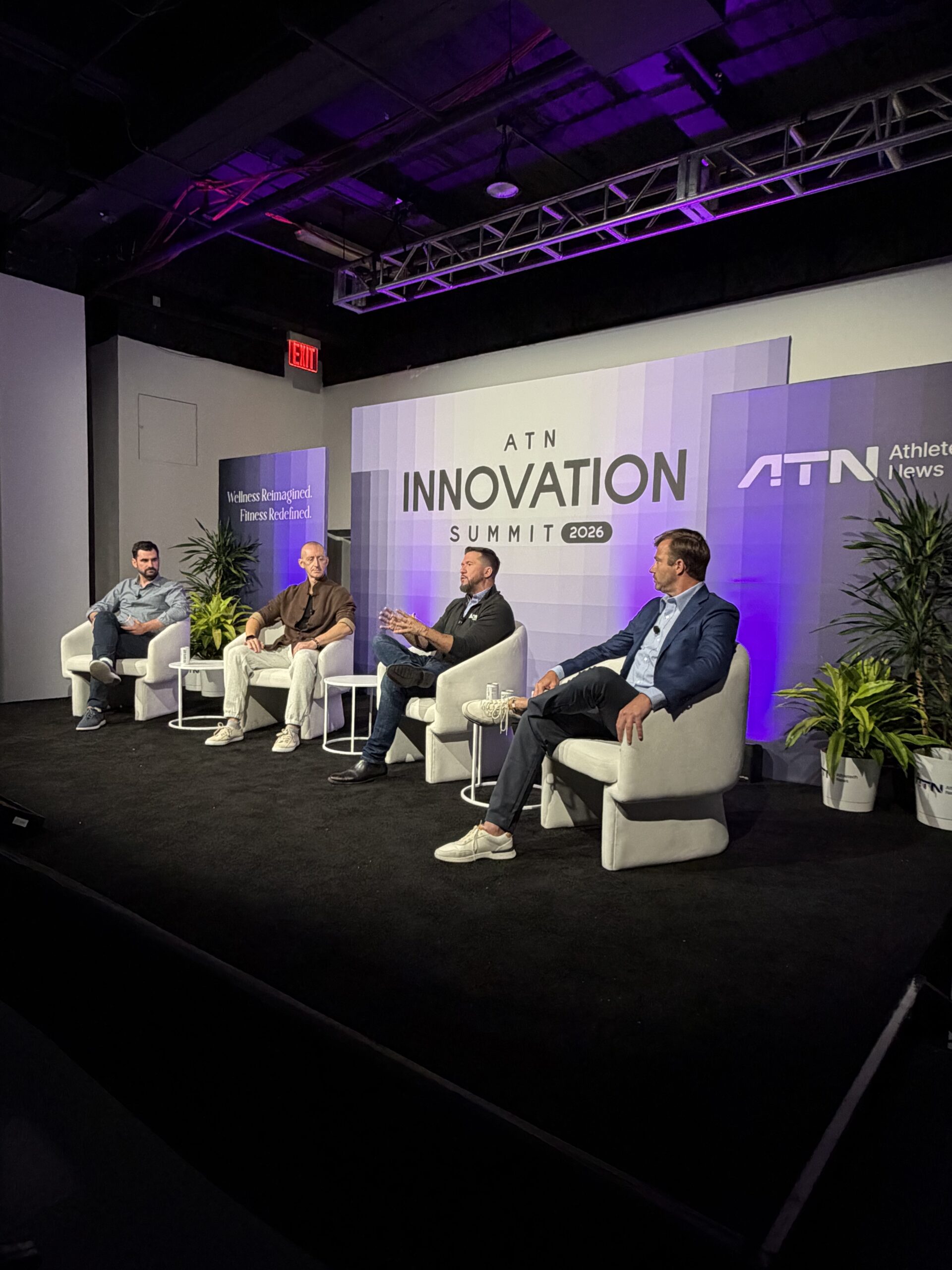
Events like Athletech Innovation Summit play an important role in pushing our industry forward. The annual gathering brings together founders, operators, marketers, investors, and innovators to share ideas, challenge assumptions, and collectively shape what’s next for fitness and wellness.
That mission aligns closely with how we think about our role at Mariana Tek. We believe the future of boutique fitness will be built through collaboration – not just between technology partners and studios, but across the entire industry. The best ideas rarely come from one company or one stage. They emerge from conversations, shared experiences, and operators learning from one another.
That’s why we love showing up to events like ATN. Not just talking about the future, but listening. To spend time with studio owners and industry leaders. To hear what’s working, what’s changing, and where the biggest opportunities lie.
Over two days in New York, there was no shortage of conversations about AI, growth, retention, hospitality, and consumer behavior. But the biggest takeaway wasn’t a particular technology or trend. It was a theme that surfaced repeatedly across sessions:
The brands that win the next decade of boutique fitness will combine operational sophistication with deeply human experiences.
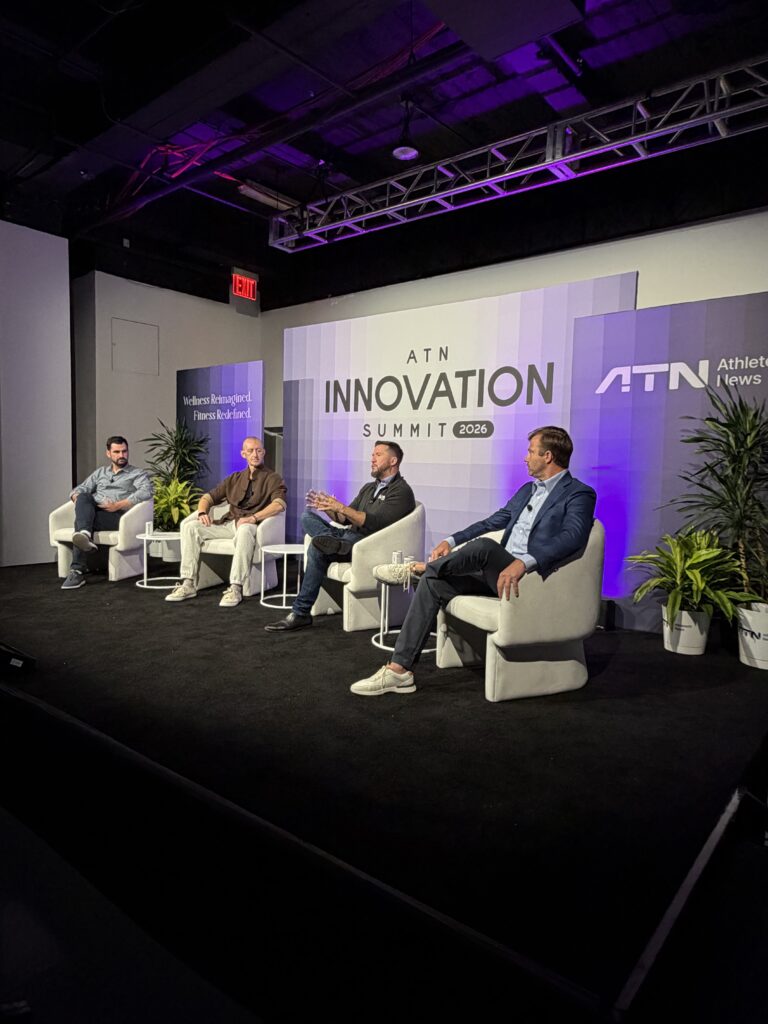
Here are eight ideas that stood out—and what they mean for boutique fitness operators.
1. Strength has replaced weight loss as the new consumer aspiration
In his session, Kevin Tadmori of Meta shared that America’s number one fitness goal is now getting stronger, overtaking weight loss for the first time. That shift matters because it reflects a broader change in how consumers define progress. They are still motivated by results, but those results are increasingly about longevity, confidence, resilience, mobility, and feeling capable in their everyday lives.
For boutique fitness operators, this creates a clear opportunity to evolve your messaging beyond aesthetic outcomes. Whether you offer Pilates, barre, strength, recovery, or hybrid training, your brand should help clients understand how your experience supports strength in the fullest sense: stronger bodies, stronger habits, stronger confidence, and stronger long-term connection to movement.
2. The most scalable brands still win locally
Sarah Luna of Pilates Addiction spoke about how the most successful franchisees are deeply embedded in their local communities. They are not just marketing their business from behind a screen – they’re showing up at school events, youth sports games, neighborhood gatherings, and the everyday places where real relationships are built.
That is an important reminder for growing boutique brands: scale should not make the experience feel less personal. The best multi-location operators use systems to create consistency, but they protect the local relationships that make boutique fitness powerful in the first place. Technology can help standardize operations, but community is what builds trust.
3. Category growth can expand the top of the funnel
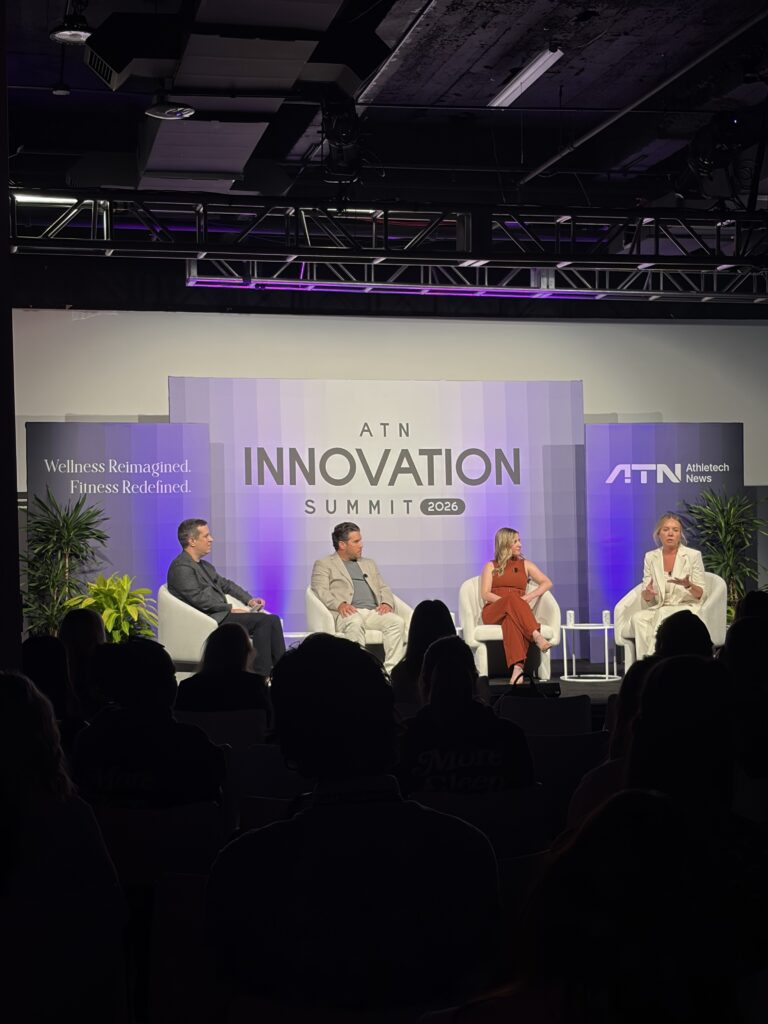
During a Pilates-focused panel, Bryan Myers of [solidcore] offered a helpful perspective on what happens when modalities like Pilates and strength training move into more mainstream fitness environments. Rather than viewing every new entrant as a threat, boutique operators can also see category growth as an awareness engine.
When more consumers are introduced to a modality, more people begin searching for a deeper, more premium, more specialized experience. The opportunity for boutique brands is to make sure that when curiosity grows, their positioning, first-class experience, and client journey are strong enough to convert that interest into loyalty.
4. The traditional marketing funnel no longer matches how people discover fitness brands
Aundrea Bentley of [solidcore] talked about how discovery has changed. Consumers are not only going to Google anymore; they are searching TikTok, Reddit, AI tools, creator content, and community conversations to decide which brands feel relevant and trustworthy.
For boutique fitness operators, this means marketing content has to become more useful, more specific, and more distributed. Your future members are asking practical questions before they ever book: What should I expect in my first class? Is this beginner-friendly? What makes this studio different? Which membership should I choose? The brands that answer those questions clearly across the places people are already searching will have a stronger path to conversion.
5. Retention requires understanding why someone has not come back
Nat Straub’s retention takeaway was one every operator should sit with: it is not enough to know that a client has stopped coming. You need to understand why. Many studio owners understandably prefer to focus on positive momentum, but the most useful growth opportunities often live in the uncomfortable data: who is slipping, what behavior changed, and what would actually bring them back.
That is where segmentation becomes powerful. A generic winback campaign can only go so far. A client who has not returned because of schedule friction needs a different message than someone who lost motivation, hit a pricing concern, or never built a strong first habit. Retention improves when operators stop treating every inactive client the same and start designing outreach around real behavior.

6. Hospitality is becoming the new standard for premium fitness
Jeremy Mustakas of Jean-Georges Restaurants brought a hospitality lens that felt especially relevant for boutique fitness. One of the strongest ideas from that conversation was that luxury is not always about excess; often, it is about continuity. A guest should not feel like they are starting over every time they walk through the door.
For boutique fitness, that means the premium experience is built in the details. It is remembering preferences, respecting time, recognizing milestones, making check-in seamless, and ensuring each touchpoint feels connected to the last. The more crowded the market becomes, the more these details matter. Hospitality is not a nice-to-have; it is how premium brands make members feel known.
7. Personalization is moving from segments to moments
One of my favorite conversations from ATN came from Chris Farnsworth at LiveMetta, who shared a perspective that perfectly captured where the industry is headed.
As technology continues to mature, the opportunity isn’t simply to automate communication – it’s to make it more personal. Chris talked about the power of understanding when people naturally lose momentum. Every operator knows there are moments when members fall out of routine, lose motivation, or begin drifting away, but the question is how we use data to intervene before that happens.
As Chris put it, “If you can identify when the average person falls off their routine, or loses motivation around X amount of visits, how do you pick the right time to keep them motivated? How do you incentivize them to come back?”
What struck me about that perspective is that it reframes personalization. For years, we’ve thought about personalization in terms of broad segments or demographic groups. Increasingly, personalization is becoming about recognizing moments.
The right encouragement after a member misses a week. A message celebrating a milestone. A recommendation when someone starts exploring a new modality. A familiar face reaching out before motivation disappears.
The future of boutique fitness isn’t less human. It’s more human. Technology simply gives us the ability to recognize those moments sooner and respond with empathy, encouragement, and relevance. The brands that win won’t necessarily be the ones with the most sophisticated technology – they’ll be the ones that use technology to make people feel seen at exactly the right moment.

8. Authenticity is paramount to retaining your best staff
We regularly talk about the importance of building a strong community with your members, and how authenticity is at the core of those community connections. But that authenticity can also be a strong growth lever, especially as owners and operators seek top boutique fitness talent. Adam Shane, the owner of Yoga Joint New York, spoke on a panel about being a successful boutique fitness franchise business in today’s crowded market.
That authenticity goes a long way when it comes to attracting and retaining your instructor staff, too. “This young generation really wants support, growth, development, and authenticity. I think that’s the most important thing to be honest, transparent, and honor every single day during their employment journey.”
The takeaway for boutique fitness
The strongest theme from ATN was that boutique fitness is entering a more sophisticated era. Consumers are more informed, discovery is more fragmented, competition is expanding, and expectations for personalization are higher than ever.
But the path forward is not about chasing every trend. It is about understanding what those trends reveal about your clients. They want strength over quick fixes. They want brands that feel local and personal. They want useful content, seamless experiences, and reasons to keep coming back. And they want technology to make the experience feel easier, smarter, and more human.
That is the opportunity ahead for boutique fitness operators: build the systems that help you scale, while protecting the human connection that made your brand worth scaling in the first place.

by Colleen Trinkaus Marketing Director, Mariana Tek
-
First published: June 18 2026
Written by: Colleen Trinkaus