
Kamille McCollum Says This is What It Really Takes to Scale a Franchise
Kamille McCollum started her journey with BODYBAR the same way many of her franchisees do: As an owner, running a single location in Fort Worth, Texas. Today, she serves as Chief Brand Officer and President of BODYBAR Pilates while still owning three locations—so she’s had the unique experience of seeing the franchise relationship on both sides.
That perspective has shaped how she thinks about growth, leadership, and building sustainable growth in boutique fitness.
After wrapping our She Built This panel in Denver, we sat down with Kamille to talk about her journey at BODYBAR and the biggest franchise lessons she’s learned from both sides of the business.
Be a Leader Who Never Left the Floor
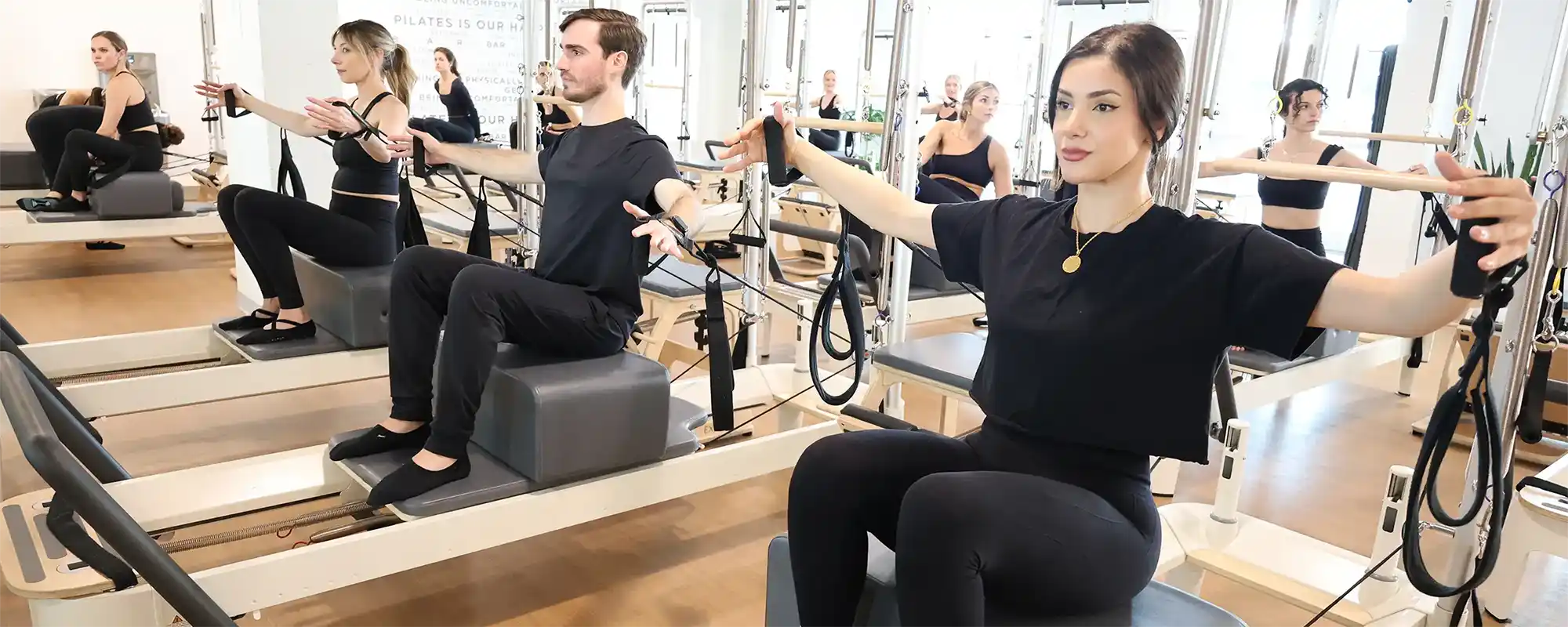
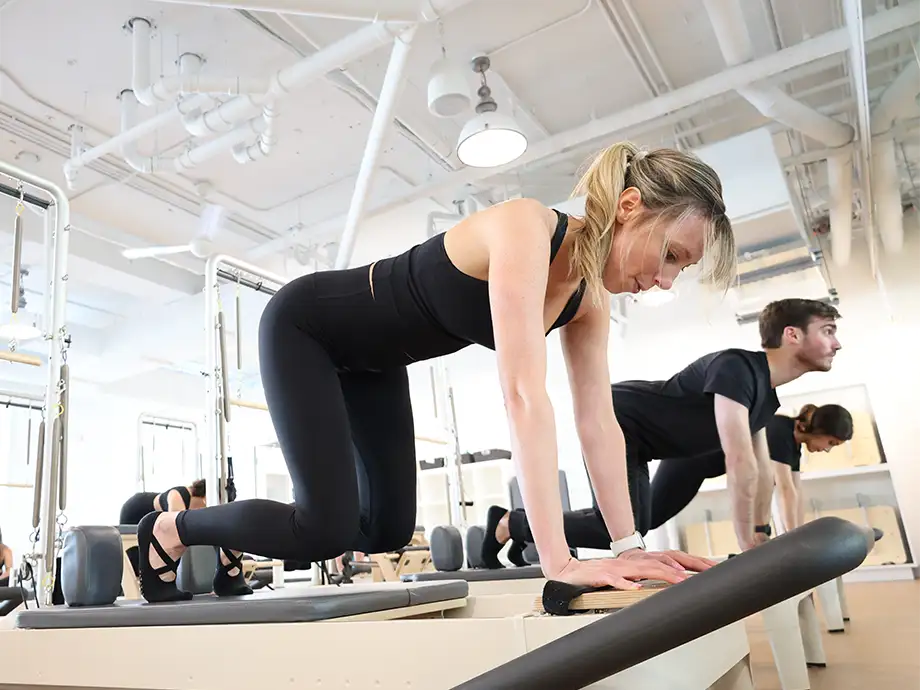
Kamille partnered with BODYBAR to start franchising in 2019. The company now has 80 locations open, and while Kamille is running the franchisor arm day to day, she still has her finger on the pulse of the franchisee experience with her three locations in Texas. She even knows what it’s like for instructors at BODYBAR, as she teaches two classes each week: “That’s still my favorite part,” she says. “Get me in front of a class full of people with a reformer and I’m down.”
Kamille finds that this helps her stay connected to the BODYBAR workout: Is it still resonating with clients? What is the experience like? How is it playing out in the studio?
For franchise owners—or any brand owners—who worry that scaling means losing touch with what made their brand work, her method might be a good solution. Staying connected to the client experience as you scale fosters credibility with franchisees and staff, too. “Not only am I recommending a certain approach, I actually still do it myself.”
That being said, there will be times when a leader has to step back and focus on scaling. “Think about your passion and your ‘why’ behind franchising,” she says. “For me, my ‘why’ was wanting to recreate what we’d built here in other places — and I had to step away so I could provide all the resources for other people to replicate it. That kept me from being too sad about not being in the studio.”
Build systems that scale
The biggest mistake Kamille sees brands make when they start to scale: Not putting repeatable processes in place. Those systems are how the franchisor can support franchisees.
A franchisee who can’t get open can’t serve anyone, and getting open is harder than most people anticipate, especially with no support. “When you’re building out a location, owners often don’t know about construction. They might not understand leases. We provide support on every single aspect of that: Making sure your lease is a good one, ideally so you can open before you even have to start paying rent; making sure your construction timeline is dialed in so you can run pre-sales, etc.”
A franchisor that doesn’t offer this support is setting franchisees up for failure. “They may never find a location and end up losing their franchise fee entirely.”
Scrutinize the Numbers from HQ
Most potential owners evaluating a franchise opportunity know to look at unit economics, territory availability, and brand reputation. But Kamille pointed out a few key numbers on the HQ side to look at before committing to a franchise fee:
- Locations sold vs. locations opened: “If a brand has sold 300 locations but only opened 50, that should raise a flag,” Kamille says. This ties back to the amount of HQ support available to franchisees. If franchise fees are being paid but it isn’t translating to open locations, there’s a gap in what the franchisor is offering.
- Open locations & HQ-level staff: Some brands choose to scale their locations aggressively while keeping the headquarters lean. “I know brands that have 400 locations and only 12 employees at the HQ level,” Kamille says. But BODYBAR believes in strong HQ infrastructure across onboarding, real estate, construction, and ongoing operational support, because the alternative is far more costly. They have 80 locations open and 30+ HQ employees. “If you want good customer service in the studio, it flows all the way up to the HQ level.”
Find the Right Partners
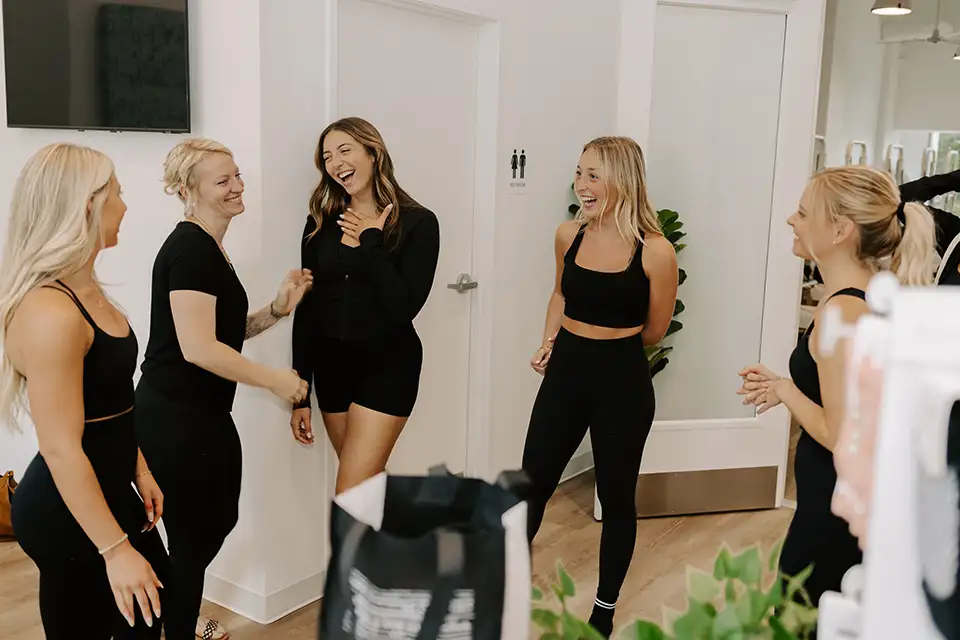
Partnering with the right people started early on for Kamille, when she and her husband Matt partnered with the founder of BODYBAR to start franchising the brand. (Matt has served as the CEO of BODYBAR Franchising since 2019.)
Since then, Kamille has continued to focus on surrounding herself with qualified people who have done this before, so they can help BODYBAR get the right systems and processes in place.
When it came time to bring in senior leadership, she hired COO Michael Piermarini, who had worked closely with the founder of Orangetheory Fitness. The goal was to find someone who understood the specific challenge of growing a founder-led brand while keeping operations tight.
“Having someone with that experience—who is also used to working with a founder who has big ideas and knows how to help channel them—and who can come in and help maintain systems as we grow has been really important.”
Be sure to watch the full She Built This panel below for more insights from Kamille and our other panelists:
- Sadie Lincoln: Co-founder and CEO, barre3
- Felicia Alexander: Chief Revenue Officer, TITLE Boxing Club, Co-founder BoxUnion
- Debra Strougo: Growth Partner, Fitizens

by Julie Sippy Senior Marketing Manager
-
First published: April 29 2026
Written by: Julie Sippy