
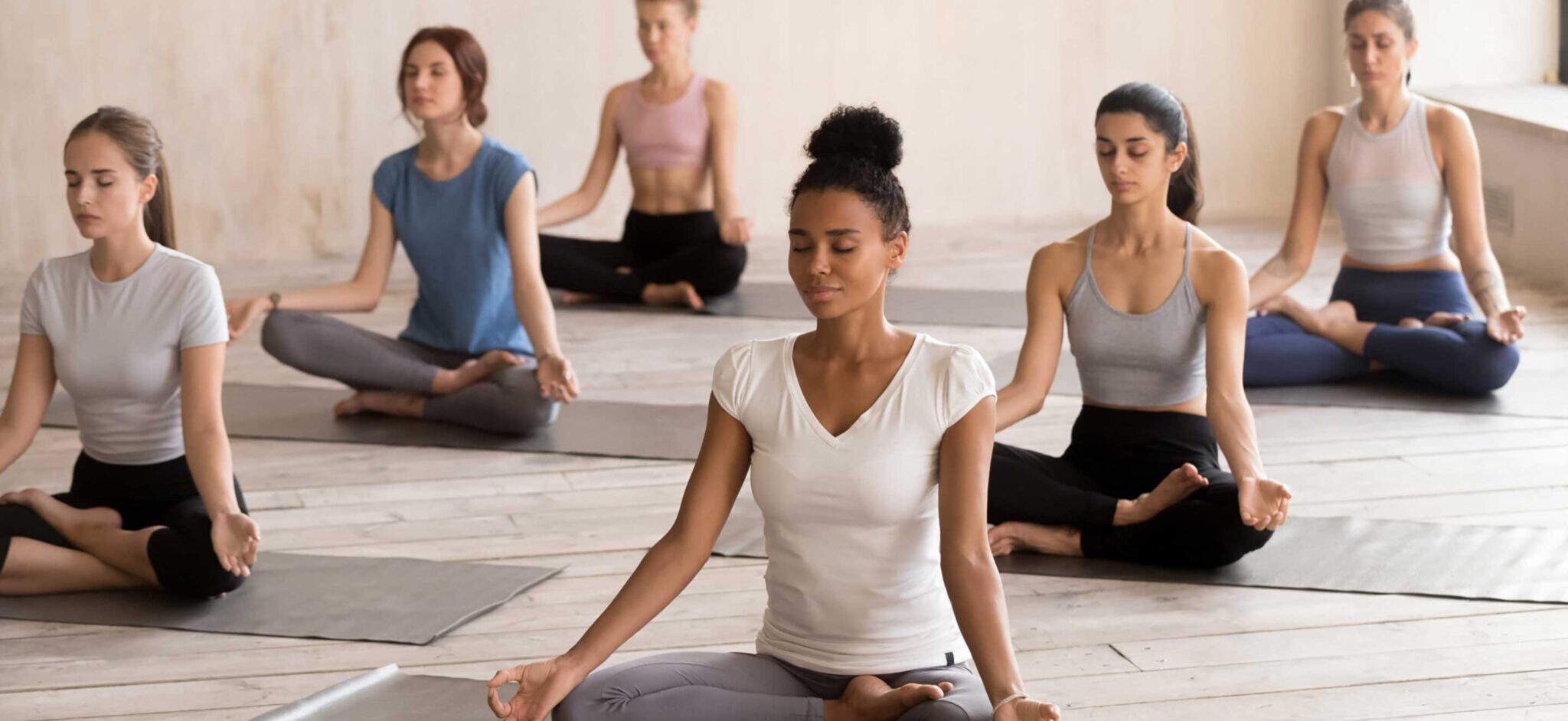
Do you ever feel overwhelmed by the sheer number of yoga options? According to Harvard Health Publishing, there are over 800 different types of yoga, making it challenging to know where to start. Understanding these distinct styles is crucial for finding the perfect practice to enhance physical and mental well-being.
In this guide, we’ll explore the major styles of yoga, highlighting their unique characteristics, benefits, and how to get started. Whether you’re a seasoned practitioner looking to broaden your horizons or a newcomer seeking the right entry point, this guide will empower you to discover the transformative power of yoga.
Simplify your studio’s management and class offerings with Yoga business software, designed to help you run every type of yoga class efficiently.
What is Yoga?
Yoga is a mind-body practice that originally stemmed from ancient Indian philosophy, combining physical postures (asanas), breathing techniques (pranayama), and meditation to promote physical strength, flexibility, and mental well-being. The word “yoga” comes from the Sanskrit root yuj, meaning “to unite” – reflecting its goal of connecting body, mind, and spirit. Today, yoga encompasses dozens of distinct styles, each with its own pace, philosophy, and benefits.
What are the Main Types of Yoga?
Let’s dive into some of the most popular and widely practiced types of yoga:
Hatha Yoga
Intensity: Low to Moderate | Pace: Slow | Best for: Beginners and all experience levels
Hatha yoga is one of the most widely practiced disciplines in the world, and for good reason. It serves as the foundation from which most modern yoga styles have grown. The word “hatha” is derived from the Sanskrit terms ha (sun) and tha (moon), reflecting its core principle of bringing opposing forces into balance. In class, that translates to an unhurried approach: individual postures (“asanas”) are introduced one at a time, held briefly, and paired with focused breathing. There’s no complex sequencing to memorize, making it an ideal starting point for anyone stepping onto the mat for the first time.
A typical Hatha class will introduce you to fundamental standing poses, seated stretches, and simple breathing exercises (pranayama). Over time, this methodical pace builds a strong physical foundation and an equally solid understanding of how breath and movement connect. Because teachers are generally thorough with alignment cues, students with minor physical limitations often find Hatha particularly accommodating.
Getting started: Look for classes labeled “Hatha,” “Yoga Basics,” or “Fundamentals.” Wear comfortable, form-fitting clothing that allows you to move freely, and arrive a few minutes early to introduce yourself to the instructor. Especially if you have any injuries or physical considerations. Most studios provide mats and props, so you don’t need to bring anything beyond yourself for a first class.
Vinyasa Yoga
Intensity: Moderate to High | Pace: Flowing | Best for: All levels; adaptable by class format
If Hatha yoga is a deliberate walk, Vinyasa is a moving current. This style is built around continuous, breath-driven transitions – each inhale and exhale cues the body to shift from one posture to the next, creating a fluid sequence that rarely repeats the same way twice. That creativity is a big part of Vinyasa’s enduring appeal: it’s a format where every class, and every teacher, offers something different.
Vinyasa classes span a wide range of intensities. A “Slow Flow” or “Gentle Vinyasa” session might feel meditative and measured, while a “Power Vinyasa” or “Advanced Flow” class functions as a genuine full-body workout, building cardiovascular endurance alongside muscular strength. Most studios label their classes clearly, so students can self-select their challenge level. Over time, consistent Vinyasa practice develops coordination, body awareness, and the ability to remain calm while in motion. A skill that tends to carry well beyond the studio.
Getting started: If you’re new to yoga or returning after a break, look for “Slow Flow”, “All Levels Vinyasa”, or “Beginner Flow” on the class schedule. These formats give you time to learn the transitions without feeling rushed. As your confidence grows, stepping into a standard or intermediate Vinyasa class is a natural next move. Studios that use yoga scheduling software like Mariana Tek will often include difficulty indicators and class descriptions right in the booking flow, so you can make an informed choice before you arrive.
Iyengar Yoga
Intensity: Low to Moderate | Pace: Slow and methodical | Best for: Those focused on alignment, injury recovery, or therapeutic needs
Iyengar yoga was developed by B.K.S. Iyengar, one of the most influential yoga teachers of the 20th century, and it remains one of the most technically rigorous styles practiced today. The defining feature of Iyengar is its precise attention to the positioning of the body in every pose. Rather than flowing between postures quickly, students hold poses for longer periods while the instructor carefully refines their alignment – down to the placement of hands, the rotation of the inner thigh, or the angle of a heel.
Props are not a shortcut in Iyengar. They’re a core part of the methodology. Blocks, straps, chairs, bolsters, and blankets are used thoughtfully to help every student access the correct form of a pose, regardless of their flexibility or physical history. This makes Iyengar particularly well-suited for students recovering from injuries, managing chronic conditions, or working through physical limitations that require individualized modifications.
Certified Iyengar instructors complete one of the more demanding teacher training programs in yoga. A credential worth looking for when choosing a class.
Getting started: Seek out classes taught by a certified Iyengar instructor, indicated by a formal credential from the Iyengar Yoga National Association of the United States (IYNAUS). Introductory or Level 1 classes are appropriate for most beginners. Bring an open mind to working with props. Within a few sessions, most students find them indispensable.
Kundalini Yoga
Intensity: Moderate | Pace: Variable | Best for: Those seeking a practice that bridges the physical and spiritual
Kundalini yoga occupies a unique space in the yoga world. While it includes physical postures, the emphasis extends well beyond movement – into breathwork, chanting (mantra), hand gestures (mudras), and periods of active meditation. The practice is rooted in the concept of awakening latent energy said to reside at the base of the spine, moving it upward through the body’s energy centers to promote awareness and transformation.
A typical Kundalini class follows a structured format: an opening mantra, a warm-up, a “kriya” (a set of exercises combined with breath and sometimes sound to produce a specific effect), relaxation, and a closing meditation. Classes often include repetitive movement sequences held for several minutes – which can feel surprisingly intense despite appearing simple. The practice draws equally from the physical and the philosophical, and many students describe feeling a noticeable mental and emotional shift, even after a single session.
Getting started: Kundalini classes are offered at many yoga studios, wellness centers, and online platforms. No prior yoga experience is required, and physical flexibility is not a prerequisite. Students are sometimes invited to wear white (a traditional Kundalini practice associated with expanding the auric field), though this is optional at most studios. Approach your first class with curiosity and a willingness to try the chanting and breathing exercises – those are where much of the practice’s depth lives.
Ashtanga Yoga
Intensity: High | Pace: Structured and fast | Best for: Experienced practitioners and those who thrive with discipline and repetition
Ashtanga is a rigorous, codified style of yoga that follows a fixed series of postures linked by breath and movement in a specific order. Unlike more free-form styles, the sequence never changes. Students practice the same series repeatedly, gradually deepening their proficiency in each posture before advancing. This repetition is intentional: it creates the conditions for both physical transformation and mental focus to develop over time.
The “Primary Series,” which most students begin with, is already demanding. Combining standing poses, seated forward folds, twists, and inversions in a sequence that builds significant heat in the body. Many traditional Ashtanga classes are taught “Mysore-style,” where students practice the sequence independently at their own pace while the instructor moves through the room to offer hands-on adjustments and guidance. This format allows for a highly personalized experience within a shared class setting.
Ashtanga is not the ideal first yoga experience for most people, but for those with some yoga background who are looking for a structured, serious practice, it offers a clear and rewarding path of progression.
Getting started: Look for dedicated Mysore-style Ashtanga programs or introductory “Led Primary” classes where the instructor calls out the sequence for the group. Committed Ashtanga practitioners typically practice six days a week (with rest on Saturdays and moon days), though this level of commitment is not required to explore the style. Be prepared for a physically demanding first experience, and bring plenty of water.
Bikram / Hot Yoga
Intensity: High | Pace: Fixed and structured | Best for: Those who enjoy heat, structured formats, and measurable progress
Bikram yoga consists of a specific sequence of 26 postures and two breathing exercises, practiced in a room heated to approximately 105°F (40°C) with around 40% humidity. Every authentic Bikram class runs 90 minutes and follows the same sequence in the same order – a consistency that makes progress easy to track over time.
The heat is a deliberate part of the practice. It promotes increased flexibility, encourages perspiration (which many students associate with a sense of cleansing), and elevates cardiovascular demand. The fixed structure means there’s never a surprise about what’s coming next. This is a feature that many students find reassuring, especially those who are aiming to hit certain fitness goals.
Hot yoga, more broadly, refers to any yoga class taught in a heated room, and not necessarily the Bikram sequence. Many studios offer heated Vinyasa, heated Yin, or other formats under the “hot yoga” banner. The experience differs from traditional Bikram but shares the key element of elevated temperature.
Getting started: Hydration is critical. Begin drinking extra water the day before your first class and continue in the hours leading up to it. Wear minimal, moisture-wicking clothing, bring a large water bottle, a standard yoga mat, and a full-size towel (you’ll need it). Arrive a few minutes early to acclimatize to the room temperature. If you feel dizzy or overheated, it’s always appropriate to sit, rest, or step out – even experienced practitioners do this on difficult days.
Yin Yoga
Intensity: Low | Pace: Very slow | Best for: Flexibility, stress relief, and anyone seeking a meditative, introspective practice
Yin yoga looks deceptively simple from the outside – poses are gentle, students are still, and there’s no dynamic movement to speak of. But those who practice it know that holding a single posture for three to five minutes (sometimes longer) is its own kind of challenge. The practice targets the body’s deeper connective tissues – fascia, ligaments, and joint capsules – which respond to prolonged, passive stress rather than active muscular engagement. The result, over time, is a meaningful increase in joint mobility and a release of long-held physical tension.
Equally important is the meditative quality of Yin. Sitting quietly with a pose for several minutes provides an opportunity to notice the mental patterns that surface when the body is still. A practice that complements more dynamic, action-oriented styles particularly well. Many yoga practitioners who primarily train in Vinyasa or Ashtanga add Yin classes to their weekly routine specifically to create balance.
Props are commonly used throughout a Yin practice to support the body and allow it to fully relax into each pose. Bolsters, blocks, and blankets help students find a position that is sustainable and passive – not painful.
Getting started: A Yin class is a good entry point for beginners who prefer stillness to movement, or for active athletes who want to improve their mobility and recovery. Wear comfortable, loose clothing that doesn’t restrict your hips or legs, and arrive with no expectations about how the poses “should” feel. The experience in Yin is largely internal, and it often deepens considerably after the first few sessions.
Restorative Yoga
Intensity: Very Low | Pace: Still | Best for: Stress relief, recovery, burnout, or anyone in need of deep rest
Restorative yoga is not a workout – it’s a structured approach to rest. Poses are held for extended periods, typically five to twenty minutes each, with the body fully supported by an array of props: bolsters, folded blankets, blocks, straps, and eye pillows. The goal is complete physical release, allowing the nervous system to shift from a state of activation into genuine relaxation.
The practice draws on principles from both yoga and modern understanding of the autonomic nervous system. By holding still in supported, comfortable positions, the body gradually releases physical bracing and tension that accumulates through daily stress, high-intensity training, or periods of illness and recovery. Many students find Restorative yoga profoundly calming in a way that differs from meditation alone. The physical act of being held and supported by props creates a sense of safety that makes letting go more accessible.
Studios typically provide all props for Restorative classes, and no prior yoga experience is needed. This is one of the most accessible formats for older adults, people managing chronic fatigue, or anyone going through a demanding period physically or emotionally.
Getting started: Treat your first Restorative class as an experiment in unfamiliar stillness. There’s no performance aspect to this practice – the less you try to “do,” the more effective it becomes. If your studio offers a Restorative or “Yoga Nidra” class, both are excellent starting points. Some students find it helpful to bring a pair of warm socks, as rooms are often kept cool, and body temperature tends to drop during extended stillness.
Prenatal Yoga
Intensity: Low to Moderate | Pace: Gentle | Best for: Pregnant women in any trimester
Prenatal yoga is specifically designed to support the changing physical and emotional needs of pregnancy. Classes use modified postures that accommodate a growing belly, avoid poses that create pressure on the abdomen, and emphasize breathing techniques and pelvic floor awareness that are directly applicable to labor and delivery. Beyond the physical, prenatal yoga provides a space for expectant mothers to slow down, check in with their bodies, and connect with a community of people at a similar life stage.
The benefits of prenatal yoga are well-documented: many practitioners report reduced lower back pain, improved sleep, lower levels of stress and anxiety, and greater confidence heading into childbirth. The emphasis on controlled breathing in prenatal yoga is particularly relevant during labor, where breath management is one of the primary tools for managing discomfort.
Prenatal classes should be taught by instructors with specific prenatal yoga certification, not just general yoga teacher training. This distinction matters because pregnancy introduces physical considerations (like avoiding supine poses in later trimesters and being mindful of diastasis recti) that require specialized knowledge.
Getting started: Most prenatal yoga classes welcome students in any trimester, though some studios offer trimester-specific sessions. Always consult your OB or midwife before beginning any new exercise during pregnancy. Let your instructor know how far along you are at the start of every class so they can offer the most appropriate modifications.
Anusara Yoga
Intensity: Moderate | Pace: Flowing | Best for: Those drawn to alignment-based practice with a philosophical or spiritual dimension
Anusara yoga was founded in the late 1990s and blends the anatomical precision of alignment-based teaching with an affirmative philosophy centered on recognizing and celebrating the inherent goodness in each practitioner. Classes typically open with an intention or theme that runs through the physical practice, connecting movement to meaning in a way that makes Anusara feel distinct from more purely physical styles.
The alignment methodology in Anusara is organized around a set of “Universal Principles of Alignment” – a systematic approach that helps students understand how energy and structure work together in the body. In practice, this means Anusara classes offer meaningful instruction on why a pose is shaped a certain way, not just how to get into it. The result is a practice that tends to be intellectually engaging as well as physically effective.
Postures in Anusara draw from the Hatha and Vinyasa traditions, so the physical experience will feel familiar to students with a background in either of those styles. The addition of the theme, philosophy, and detailed alignment instruction gives it a different character to others.
Getting started: Look for Anusara-Inspired or Anusara-certified teachers through local yoga studios or the Anusara Global network. Classes labeled “heart-opening” or those referencing “Universal Principles of Alignment” are likely to be drawing from the Anusara tradition. Come ready to engage with the class theme, not just the physical sequences.
Jivamukti Yoga
Intensity: High | Pace: Vigorous | Best for: Experienced practitioners seeking a physically challenging, philosophically rich practice
Jivamukti yoga was founded in New York City in 1984 and remains one of the more complete and demanding styles of modern yoga. Integrating vigorous physical practice with Sanskrit chanting, music, meditation, breathwork, and deep engagement with yogic scripture and philosophy. Each month, Jivamukti studios worldwide teach a common “focus of the month,” weaving a single philosophical theme through every class. It’s a practice designed not just to build a stronger body, but to cultivate a more considered, ethical approach to living.
The physical sequences draw heavily from Vinyasa and Ashtanga, meaning students can expect challenging, flowing movement at a fast pace. Classes are typically set to music – sometimes devotional, sometimes contemporary – which creates an atmosphere that’s energetic and distinctly urban in its sensibility. The ethical dimension of Jivamukti extends to lifestyle: the tradition has a strong commitment to veganism, non-violence, and environmental awareness, though these values are presented as invitations rather than requirements.
Getting started: Jivamukti is best approached with some prior yoga experience. Students who have a working familiarity with common poses will get more from the class than those learning movement basics at the same time as navigating the philosophical content. If a dedicated Jivamukti studio isn’t available in your area, some instructors trained in the method teach at multi-style studios. Online Jivamukti classes are also widely available.
Quick Reference: Comparing the Different Types of Yoga
| Style | Intensity | Pace | Props Used | Experience Level | Primary Benefit |
|---|---|---|---|---|---|
| Hatha | Low-Moderate | Slow | Optional | Beginner / All levels | Foundation building; mind-body awareness |
| Vinyasa | Moderate-High | Flowing | Minimal | All levels (class-dependent) | Strength, endurance, breath-movement connection |
| Iyengar | Low-Moderate | Methodical | Yes – blocks, straps, blankets | All levels | Precise alignment; injury recovery; therapeutic |
| Kundalini | Moderate | Variable | No | All levels | Energy, spiritual awareness, mental clarity |
| Ashtanga | High | Fast and structured | No | Intermediate-Advanced | Strength, discipline, full-body conditioning |
| Bikram / Hot Yoga | High | Fixed | No | All levels (heat experience helps) | Heat-assisted flexibility; cardiovascular challenge |
| Yin | Low | Very slow | Yes – bolsters, blocks, blankets | All levels | Deep connective tissue release; flexibility |
| Restorative | Very Low | Still | Yes – extensive | All levels | Nervous system reset; deep rest; recovery |
| Prenatal | Low-Moderate | Gentle | Yes – blocks, bolsters | All levels (pregnancy-specific) | Safe movement during pregnancy; labor prep |
| Anusara | Moderate | Flowing | Optional | All levels | Alignment with philosophical depth |
| Jivamukti | High | Vigorous | Minimal | Intermediate-Advanced | Physical rigor plus ethical and spiritual depth |
The Benefits of Yoga
Regardless of the type of yoga you choose, practicing consistently can provide a remarkable range of physical, mental, and emotional benefits. Here’s a closer look at the key benefits of yoga:
- Improved Flexibility & Joint Health: Yoga postures (asanas) gently stretch muscles and connective tissues, increasing your range of motion. This can alleviate stiffness, prevent injuries, and improve overall joint health, especially as you age.
- Enhanced Strength & Muscle Tone: While not traditionally viewed as “strength training,” yoga effectively builds muscle strength and endurance throughout your body. Poses engage muscles you might not typically target, especially your core, leading to improved functional strength for everyday life.
- Better Posture & Body Awareness: Yoga encourages mindfulness of your body’s alignment in everyday life. Over time, it helps you correct imbalances, improve posture, reduce pain associated with poor posture, and enhance your overall appearance and confidence.
- Reduced Stress and Anxiety: Yoga’s combination of focused movement, breathwork (pranayama), and meditation techniques calm the nervous system and induces a relaxation response. Consistent practice can help manage stress, reduce anxiety, and bring about a sense of peace in a hectic lifestyle.
- Improved Mental Clarity & Focus: By cultivating present-moment awareness, yoga helps quiet the minds constant chatter, leading to greater focus, mental clarity, and decision-making abilities.
- Boosted Mood & Emotional Wellness: Studies suggest that yoga can decrease symptoms of depression, reduce feelings of negativity, and enhance overall mood and well-being. It offers a sense of empowerment and tools to cope with life’s challenges.
- Pain Management & Injury Recovery: Yoga can effectively manage chronic pain conditions like arthritis and lower back pain by reducing inflammation, improving mobility, and promoting relaxation. It can also be incorporated into rehabilitation programs to help people recover from injuries faster.
- Improved Sleep Quality & Energy Levels: Practicing yoga, especially gentle styles like Restorative or Yin, can help you unwind before bed, leading to better and more restful sleep. Yoga may also increase energy levels throughout the day by calming the mind and improving overall health.
- Enhanced Cardiovascular Health: Some yoga styles can be quite aerobic, improving circulation and benefiting heart health. Yoga’s potential to reduce stress also indirectly supports cardiovascular well-being.
FAQs
The honest answer is: quite a lot. Estimates vary, but Harvard Health Publishing has noted that there are over 800 forms of yoga in existence. In practice, most studios and practitioners work within a much smaller set – roughly 10 to 15 styles that are widely taught and recognized in the United States. The styles covered in this guide represent the most common of those: Hatha, Vinyasa, Iyengar, Kundalini, Ashtanga, Bikram, Yin, Restorative, Prenatal, Anusara, and Jivamukti. Many additional styles exist as offshoots or regional variations of these core disciplines.
While they often overlap, yoga emphasizes physical postures (asanas), breathwork and meditation. Meditation focuses primarily on stilling the mind through various techniques like mindful breathing, mantras, or guided visualization. Many yoga classes incorporate periods of meditation.
Hatha yoga is the most recommended starting point because its slower pace gives new students time to understand each posture before moving on. Gentle or beginner-level Vinyasa classes are also a strong choice for those who prefer a little more movement. Yin and Restorative yoga are excellent options for beginners who want to ease into it gradually or are primarily seeking stress relief rather than a physical workout. The best approach is to try two or three styles in their beginner-friendly formats before committing to a single one. Most studios offer first-class discounts that make this easy.
Yoga postures (asanas) span a wide range of shapes and purposes, and most styles draw from the same broader categories. Standing poses, like Warrior I and Tree Pose, build strength and balance. Seated poses and forward folds improve hamstring flexibility and calm the nervous system. Backbends, from gentle Cobra to full Wheel, open the chest and spine. Twists support spinal mobility and digestion. Inversions, such as Shoulder Stand or Headstand, reverse the effect of gravity and build upper body strength. Restorative and Yin classes use supported, passive versions of many of these same shapes – held for much longer and with props providing all the structural support.
Definitely! Yoga is NOT about how flexible you are. It’s about meeting your body where it’s at and gradually improving over time. Props and modifications make poses accessible for all levels. Focus on the journey, not just the destination.
It can be, but it’s crucial to consult your doctor and inform your yoga instructor about any limitations. Some forms of yoga, like Iyengar or Restorative, excel at adapting poses for individual needs.
Yin, Restorative, and Hatha yoga are the most reliably calming styles for stress and anxiety because their slower paces allow the nervous system time to down-regulate. Restorative yoga in particular is structured specifically around this outcome. Kundalini yoga also has a strong track record with anxiety management, partly because its breathwork practices (pranayama) directly influence the body’s stress response. Even more vigorous styles like Vinyasa can be effective for stress relief – the focus required during a flowing class can quiet anxious mental chatter in ways that feel similar to meditation.
Yin yoga is arguably the most targeted style for improving flexibility, specifically because it works on the connective tissue layer rather than the muscles alone. Sustained holds of three to five minutes allow the fascia and ligaments to gradually adapt in ways that shorter holds cannot achieve. Hatha yoga also develops flexibility steadily for beginners, and regular Vinyasa practice improves dynamic flexibility – the ability to move through a full range of motion under load. For specific areas of tightness (hips, shoulders, hamstrings), a Yin class built around those regions can produce noticeable results within a few weeks of consistent practice.
Yes, difficulty levels vary greatly. Vinyasa, Ashtanga, and Power Yoga can be physically demanding. Hatha, Yin, and Restorative are generally gentler. Check class descriptions and seek out beginner-friendly options.
As with any exercise, there’s a risk of injury, especially if you push beyond your limits. Start slowly, listen to your body, and choose a qualified instructor emphasizing safe practices.
The terms are often used interchangeably, but there’s a subtle distinction worth understanding. A yoga discipline typically refers to a more comprehensive system – one with its own philosophy, teaching methodology, and lineage (Ashtanga and Iyengar are good examples). A yoga style is often a broader or more informal descriptor of how a class is structured or what it emphasizes (like “flow yoga” or “hot yoga”). In everyday studio settings, the distinction rarely matters – both terms describe the character and approach of a given class.
Remember: There’s no single “right” answer. The best way to find your perfect yoga style is to experiment! Try different classes and instructors until you find a practice that nourishes your body, mind, and spirit.
A note for studio owners: A well-rounded yoga schedule draws from several columns of this table – combining accessible entry points (Hatha, Yin, Restorative) with aspirational formats (Ashtanga, Vinyasa, Bikram) to serve the widest possible member base. Yoga Studio Software from Mariana Tek makes it easy to build, manage, and optimize that schedule in one place.
Final Thoughts
Yoga provides a diverse landscape of practices to suit everyone’s needs. Whether you prioritize physical challenge, gentle restoration, or a blend of movement and mindfulness, there’s a perfect yoga type is waiting for you. By understanding the core characteristics of popular styles, you’ll be empowered to confidently embark on your yoga journey.
Ready to Explore Further?

by Julie Sippy Senior Marketing Manager
-
First published: April 17 2024
Written by: Julie Sippy